+86-18925518708 leah@myerhw.com
- Product Name
- Product Keyword
- Product Model
- Product Summary
- Product Description
- Multi Field Search
 EnglishEnglish


Imagine stepping into a meticulously styled room. It greets you with the rich aroma of sandalwood and vanilla. You glance around looking for a flickering wick. There is absolutely no open flame. Traditional burning methods hold a certain nostalgic charm. However, they present severe practical challenges for modern households. Soot gradually accumulates on textured ceilings and delicate fabrics. The inherent fire hazard demands constant vigilance. Furthermore, uneven tunneling wastes expensive wax and ruins the visual appeal of premium glass containers.
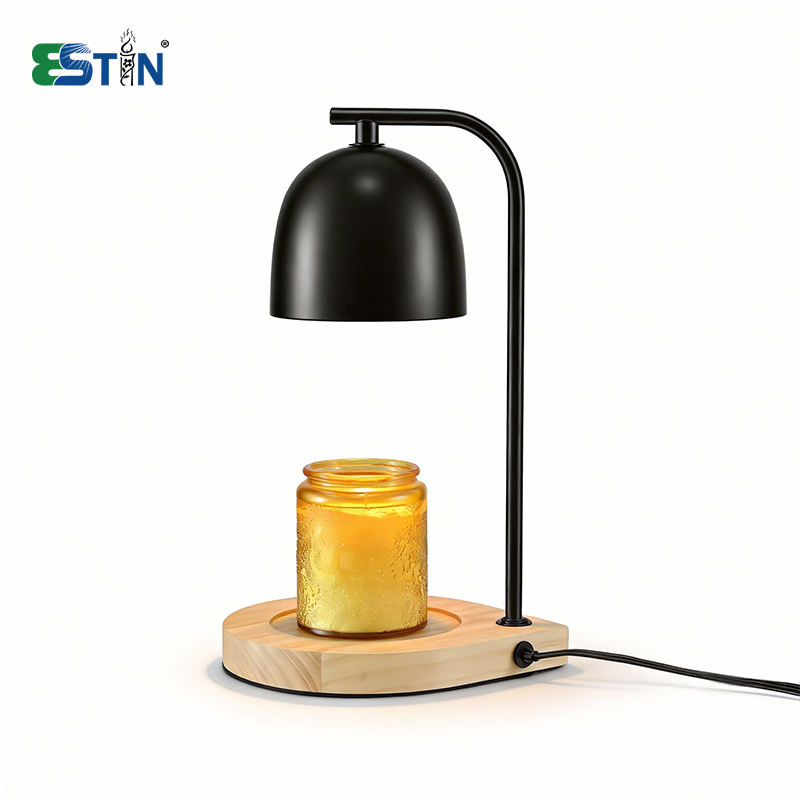
A highly functional solution to these engineering and aesthetic flaws is the flameless heating device. By utilizing focused thermal energy instead of active combustion, an electric candle warmer provides a fundamentally safer and cleaner alternative. It moves beyond simple utility. It becomes a deliberate styling choice for interior spaces. Recent market analyses reveal a massive shift in the home fragrance sector. Consumers are aggressively pivoting toward wellness-oriented and sustainable living. Modern homeowners prioritize indoor air quality. They are abandoning synthetic room sprays and open flames in favor of clean-heating technologies. This evolution aligns with the rise of smart home aesthetics, where every appliance must serve a dual purpose. Devices are no longer just utilitarian; they must elevate the visual space. We will explore the underlying thermal mechanics, measurable aesthetic benefits, and practical integration methods for your living environment.
Flameless Fragrance: Advanced top-down or bottom-up heating technology releases pure scent without generating soot, smoke, or dangerous open flames.
Aesthetic Appeal: Modern warming units act as stylish statement pieces. They elevate interior spaces using durable materials like brushed metal, ribbed glass, and solid wood.
Enhanced Ambience: The soft and dimmable light emitted by warmer lamps creates a customizable environment perfectly suited for bedrooms and professional offices.
Cost-Effective Operation: Melting rather than burning prevents wax waste. This significantly extends the lifespan of scented products and provides more usage hours per purchase.
To truly appreciate these devices, we must examine the physical mechanics behind their operation. Traditional methods rely on a lit wick to melt wax and pull it upward to fuel a flame. This combustion process releases scent but simultaneously creates carbon byproducts. In contrast, flameless technology relies entirely on controlled thermal conduction and radiation.
Top-down models utilize a specialized halogen bulb—often a 35W to 50W GU10 bulb—positioned directly above the exposed wax surface. When activated, this bulb generates a precise amount of radiant heat. The thermal energy gently targets the top layer of the wax, raising its temperature just above the melting point, usually around 40 to 50 degrees Celsius. As the wax liquefies into an even pool, embedded fragrance oils evaporate naturally into the air. This process completely avoids the carbon emissions associated with an open flame.
Bottom-up devices operate on thermal conduction. These units feature an integrated Positive Temperature Coefficient ceramic heater located beneath a flat base. You place a glass jar or a silicone dish of wax directly onto this plate. The internal element warms the container from the bottom up. Specifically, this method proves highly efficient for smaller volumes of wax. The low-temperature heat ensures the complex molecular structure of the essential oils remains intact.
To illustrate the stark contrast in efficiency, consider the following performance metrics between traditional and modern heating methods.
Feature | Traditional Burning Candle | Electric Candle Warmer |
|---|---|---|
Operating Temperature | 800°C to 1400°C at the flame | 40°C to 60°C controlled heat |
Scent Purity | Altered by smoke and combustion | 100% pure essential oil release |
Air Quality Impact | Releases soot and carbon monoxide | Zero emissions or particulates |
Wax Utilization | Prone to tunneling and waste | Even melting with zero waste |
Proper lighting serves as a fundamental pillar of successful interior styling. Harsh overhead lights make a room feel clinical. Layered, low-level lighting creates warmth and visual depth. The gentle glow of a warming lamp closely mimics the cozy ambiance of a fading sunset. By placing one on a console table, you introduce a secondary light source. This functional accent light draws the eye and highlights architectural features.
Manufacturers design these devices using premium materials to complement specific architectural elements. Minimalist spaces benefit from sleek matte finishes. Industrial interiors pair exceptionally well with metallic structures. For example, incorporating a well-crafted home decoration piece like a European minimalist style desk lamp introduces a durable texture. This contrasts beautifully with soft room furnishings like linen sofas. The reflective surfaces of metal and glass interact dynamically with the 2800K warm light emitted by the bulb.
A frequent question among consumers is whether the fragrance output matches traditional burning. In the engineering and fragrance industry, hot throw refers to the strength and reach of the scent emitted when wax is heated. Objective observation proves that warming devices provide a noticeably superior hot throw.
An open flame burns at extreme temperatures. This heat melts the wax but also incinerates delicate fragrance oils—particularly lighter top notes like citrus and mint. Combustion introduces a perceptible smell of smoke. Because a warming device operates at a fraction of that temperature, oils volatilize naturally. You only smell the pure essential oils. The resulting aroma remains cleaner and sharper.
The strength of a hot throw is directly proportional to the surface area of the melted wax. When you light a single wick, it takes hours for heat to reach the edges of a large glass jar. Conversely, a top-down heating lamp applies thermal radiation evenly across the entire surface simultaneously. This creates a full edge-to-edge melt pool in minutes. A larger surface area allows more fragrance molecules to evaporate instantly, efficiently filling open-concept floor plans.
Ambience is the measurable atmosphere of an environment. It is dictated heavily by sensory inputs. By controlling both lighting and fragrance simultaneously, these devices act as powerful tools for shaping the psychological mood of your space.
Exposure to bright, cool-toned light in the evening disrupts circadian rhythms. Transitioning to warmer light sources naturally signals to the brain that it is time to rest. High-quality warming lamps feature built-in dimmer switches. By lowering the voltage to the halogen bulb, you reduce the light output to a soft glow. The device maintains enough heat to release calming scents like chamomile or lavender. This precise combination of dim light and aromachology creates an optimal environment for sleep preparation.
Interior styling naturally evolves with changing seasons. Warming devices allow for rapid, mess-free transitions between seasonal atmospheres. During autumn, display a dark metal warmer paired with heavy scents of cedar and clove. As spring arrives, switch to a minimalist plate warmer with scents of fresh linen. Because the wax does not burn away into soot, you can easily swap out jars depending on the weather.
When engineering your interior strategy, safety should never be compromised. Aesthetics and scent drive adoption, but objective safety metrics solidify the decision.
Zero Fire Hazard: Unattended open flames cause countless residential fires. Flameless devices completely eliminate the risk of accidental ignition. They are definitively safer for households with active pets or young children.
No Soot or Smoke: Incomplete combustion produces microscopic black soot. Over time, this particulate matter stains painted walls and drapery. Flameless heating preserves the pristine cleanliness of your interior surfaces.
No Tunneling: Tunneling occurs when a wick burns straight down the center. Warming lamps heat the entire surface evenly. Tunneling becomes physically impossible. You guarantee a flat, aesthetically pleasing wax surface every time.
Exceptional Longevity: Burning a wick consumes wax as fuel. Under a warmer, the wax never evaporates; only the fragrance oils dissipate. A single jar lasts up to three times longer, maximizing your investment.
Toxin Reduction: Burning paraffin wax releases trace amounts of volatile organic compounds into the air. Melting the wax halts the combustion process entirely, drastically improving indoor air quality.
Integrating functional appliances requires thoughtful placement. Here are practical ways to position these items to maximize both utility and visual contribution.
The living room is typically the largest space and requires a device capable of a strong scent throw. A tall, top-down warmer lamp works best here. Position the lamp on a central coffee table or a prominent fireplace mantel. Treat the device as a sculptural object. Pair a metallic unit with a stack of hardcover books and a decorative tray. This specific grouping creates a deliberate vignette.
In the bedroom, the focus shifts strictly toward relaxation and safety. A warmer lamp with a built-in dimmer and an automatic shut-off timer is the optimal choice. Place the device on your nightstand. Ensure the power cord is neatly managed behind the furniture. The timer function guarantees the device powers down automatically after you drift off.
Bathrooms have limited counter space and higher humidity levels. Large lamps are often impractical. Instead, opt for a compact bottom-up plate warmer. Place a small, moisture-resistant metal warmer on a vanity tray alongside rolled hand towels. This setup creates a refined, spa-like atmosphere without the severe hazard of an unattended flame.
Selecting the right device depends heavily on your usage habits and spatial constraints. Stop guessing and use these concrete standards to evaluate your options.
First, evaluate the heating style based on your preferred fragrance medium. If you primarily purchase large 22-ounce glass jars, a top-down lamp style is mandatory. They offer the highest visual impact and clear enough vertical space for tall candles. If you prefer wax melts or small travel tins, a bottom-up plate style is highly compact and discreet.
Next, inspect the hardware features. Dimmers are non-negotiable for bedroom use. They allow you to precisely control the speed of the wax melting and the intensity of the light. Built-in timers—usually offering 2-hour, 4-hour, and 8-hour settings—are essential for safety. Finally, scrutinize the material quality. Investing in a premium Metal Wax Melt Warmer crafted from solid iron or treated steel ensures the device resists heat warping. High-quality metallic finishes maintain their elegant appearance over years of continuous thermal cycling.
A high-quality heating unit perfectly marries daily function and visual beauty. It provides a superior, purer fragrance experience while offering unmatched safety for your household. By eliminating soot, smoke, and fire hazards, these devices offer a major boost to your interior styling efforts. Transitioning away from traditional burning to electric warming allows you to safely elevate your room's ambience and extend the life of your favorite scents. Ready to upgrade your personal space? Explore the elegant electric candle warmer collections at Estin-home to find the perfect match for your decor today.
Yes. The fragrance oils suspended in the top layer of the wax will eventually evaporate after repeated heating sessions. Once the scent noticeably fades, carefully pour out or absorb the thin layer of unscented liquid wax. This action exposes the fresh, highly scented solid wax underneath, instantly renewing the fragrance throw.
Most standard glass jar candles work perfectly. However, you must ensure the container fits safely under the halogen bulb without physically touching the glass envelope of the bulb. The container must be made of heat-safe glass or high-quality ceramic to prevent cracking under sustained thermal exposure.
While they are significantly safer than open flames, engineering best practices recommend using them for two to four hours per session. This prevents overheating the essential oils and degrading the scent profile. Modern units feature built-in automatic timers that shut off the heat automatically.
Top-down models specifically require halogen bulbs, most commonly GU10 35W or 50W variants. LED bulbs cannot be used because they do not generate the necessary infrared heat required to melt the wax. Always check the manufacturer specifications before replacing a bulb to ensure proper wattage and voltage compatibility.
Wax melts are highly concentrated, smaller in volume, and often much more affordable upfront. They are excellent for testing new scents quickly or changing fragrances on a daily basis. Dedicated warming plates offer fantastic versatility for this specific type of fragrance application, making them a highly economical choice for frequent users.


