+86-18925518708 leah@myerhw.com
- Product Name
- Product Keyword
- Product Model
- Product Summary
- Product Description
- Multi Field Search
 EnglishEnglish


Love a cozy, nice-smelling home but find yourself constantly worrying about the hidden dangers of open candle flames? Picture this. You light a beautiful jar candle for a relaxing evening. Hours later, you realize soot has stained a nearby wall. Worse, a curious pet has wandered too close to the flickering wick. You are certainly not alone in experiencing this common household anxiety.
From an engineering and safety perspective, a wax melt warmer offers a superior, soot-free alternative. It transforms your living space without the stress of active combustion. In this comprehensive guide, we will explore exactly how these thermal devices work behind the scenes. We will also dive into the practicalities of choosing, operating, and maintaining your ideal warmer to ensure a pristine, long-lasting olfactory experience.
Safety First: Flameless devices eliminate open flames, soot, and indoor air pollution. They effectively support structural safety and respiratory health.
Superior Scent Throw: By utilizing a lower, consistent temperature, these devices preserve delicate fragrance oils significantly longer than traditional burning methods.
Cost-Effective Customization: Scented cubes are generally more affordable than large glass-jar candles. They also allow for precise, creative scent mixing.
Electric Dominance: Plug-in models offer the most consistent, hassle-free, and controlled experience for continuous home fragrance.
Aesthetic Appeal: Modern ceramic designs double as elegant home décor pieces while serving a highly practical functional purpose.
To make an informed decision about home fragrance, it is essential to understand the basic thermal mechanics of these appliances. By definition, a warmer is a specialized device designed to gently heat and melt scented tarts or cubes. It achieves this without ever relying on an open flame.
The fundamental difference between traditional candles and flameless warming lies in the mechanism of scent dispersion. Traditional wicks absorb liquid wax and burn it as fuel. This is a harsh combustion process. It exposes delicate fragrance oils to extreme heat, destroying a significant portion of the scent profile.
Conversely, a warmer operates on the elegant principle of controlled evaporation. The device utilizes a gentle, regulated heat source situated beneath a heat-resistant dish. As the solid cube gradually turns into a velvety liquid pool, the embedded fragrance oils are warmed precisely to their specific flash points. This targeted heating allows them to evaporate naturally into the surrounding air. Because there is no combustion taking place, the wax matrix itself never actually disappears. It simply acts as a carrier medium. Once the scent fully dissipates after several hours of use, the unscented carrier material remains in the dish and must be physically removed.
Recent market data reveals a significant pivot in consumer habits regarding home environments. Global search trends indicate that demand for non-toxic, flameless fragrance systems is surging rapidly. Homeowners are becoming acutely aware of indoor air pollution caused by burning paraffin. Modern consumers are actively replacing combustion-based items with alternatives that eliminate particulate matter emissions. They are seeking out safe aromatherapy solutions that align perfectly with a holistic, health-conscious lifestyle.
The most profound advantage of transitioning to a flameless system is the immediate reduction of household fire risks. According to various fire protection associations, open-flame candles remain a leading cause of residential fires. An unattended flame, a sudden draft from an open window, or a nearby sheer curtain can quickly escalate into a dangerous situation. Utilizing a flameless device provides structural peace of mind. You no longer need to experience that sudden jolt of panic, wondering if you forgot to blow out a wick before leaving the house.
Indoor air quality is a critical factor for long-term respiratory health. The combustion process of a burning wick inevitably releases particulate matter. This includes microscopic soot and smoke. Over time, this soot can accumulate on walls, ceilings, and expensive HVAC filters. Furthermore, burning certain paraffin-based products may release potentially harmful volatile organic compounds. By keeping the temperature well below the burning point, a warmer ensures that only the aromatic oils evaporate. This targeted thermal release protects your lungs from unnecessary particulate exposure.
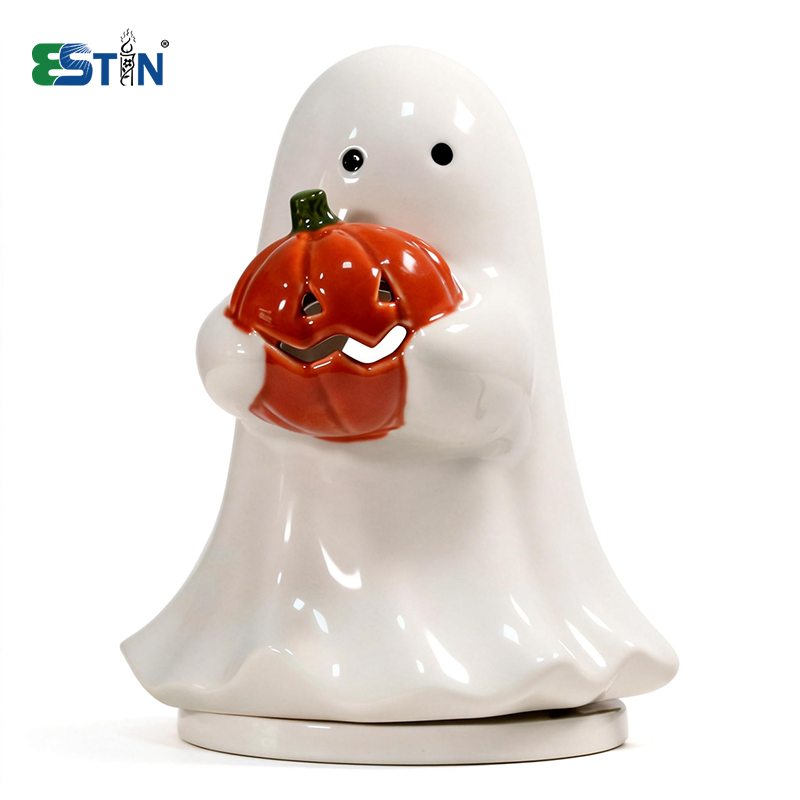
When navigating the purchasing phase, consumers typically find themselves choosing between two primary categories. You can opt for traditional tealight models or modern electric versions. Understanding the empirical differences between the two is crucial for optimizing your daily fragrance ritual.
Feature | Electric Warmer | Tealight Warmer |
|---|---|---|
Heat Source | PTC ceramic plate or 15W/25W halogen bulb | Open flame tealight candle |
Temperature Stability | Highly consistent, maintains precise thermal sweet spot | Inconsistent, drops as the flame flickers and dies |
Safety Level | Maximum safety, zero fire hazard, often includes timers | Low safety, active fire risk requires constant monitoring |
Scent Throw Duration | Extended and even release of top, middle, and base notes | Uneven release, delicate top notes often burn off quickly |
For consumers prioritizing consistency, safety, and ultimate convenience, an electric wax melt warmer is objectively the superior choice. These models utilize steady electrical components to generate heat. This steady thermal output ensures that the fragrance is released evenly over an extended period. Because there are zero flames involved, they fully support a worry-free environment.
Investing in a flameless warming system provides several measurable advantages over traditional fragrancing methods. Beyond merely making a room smell pleasant, these devices offer functional and financial perks that enhance everyday living.
In the fragrance industry, scent throw refers to how effectively an aroma circulates throughout a physical space. Because the carrier material is not being aggressively burned off by a high-temperature flame, the embedded oils evaporate much slower and more evenly. This controlled thermal release prevents the delicate top notes, like bright citrus or soft florals, from burning off too quickly. The result is a superior, longer-lasting olfactory experience.
One of the most engaging aspects of this system is the ability to play alchemist in your own living room. You are never locked into a single fragrance profile as you would be with a pre-poured jar candle. By breaking apart different scented cubes and placing them together in the warming dish, you can practice wax mixology. Imagine combining a rich vanilla cube with a soothing lavender melt to create a bespoke, deeply relaxing blend.
Selecting the right device involves evaluating materials, sizing, and specific functional features. As an informed consumer, you should look for hardware that meets your household's unique aesthetic and practical requirements.
Warmers are manufactured using various materials, including delicate glass, industrial metal, and classic ceramic. Each material interacts with heat differently. Metal heats up very quickly but can become dangerously hot to the touch, posing a burn risk. Glass is visually stunning but can be fragile and prone to thermal shock if not handled with care.
Ceramic is widely considered the gold standard for these devices. High-quality glazed ceramic possesses excellent thermal mass. This means it absorbs heat evenly and retains it efficiently without creating dangerous hot spots. This stable temperature optimizes the scent throw of the liquid pool. For instance, a high-quality ceramic warmer often features a 120V/15W warming bulb enclosed in a high-density glazed body. This specific wattage is engineered to keep the wax pool exactly between 120 and 140 degrees Fahrenheit. It is the perfect thermal sweet spot for botanical oils.
The physical size of the unit and the capacity of its dish should dictate where it is placed in your home. Compact plug-in wall warmers feature small dishes suitable for half a cube. They are ideal for tight, enclosed spaces like bathrooms or laundry rooms. Conversely, larger tabletop warmers sit on flat surfaces and boast deeper dishes capable of holding multiple cubes simultaneously. These are the optimal choice for large, open-concept living rooms.
Operating your device correctly not only ensures optimal fragrance dispersion but also maximizes the lifespan of the internal heating elements. Follow these empirical guidelines for a flawless setup.
Always place the unit on a flat, stable, and heat-resistant surface. Ensure it is positioned away from strong drafts and flammable objects like paper or low-hanging curtains. Keep the power cord neatly tucked away behind furniture to prevent accidental tripping.
Ensure the dish is completely clean and unheated before starting. Break off one or two cubes, depending entirely on the specific depth of your dish, and place them directly into the center. Strictly adhere to the manufacturer's capacity guidelines. Overfilling will inevitably result in hot liquid spilling over the sides. This can damage the internal heating element or ruin the wooden table below.
Plug in the device and turn the switch to the on position. It typically takes between 15 to 30 minutes for the solid cubes to fully liquefy and begin releasing their fragrance. To preserve the lifespan of the fragrance oils and ensure safety, do not leave the device running indefinitely. Turn off the unit when leaving the room or after four to six hours of continuous use.
Committing to a plug-in device is a commitment to a cleaner home environment. However, to maintain consistent heat distribution and pure scent delivery, routine maintenance is non-negotiable. Because the wax base never evaporates, you must physically remove the residual material once the fragrance is spent. Failing to do so can result in muddy, cross-contaminated scents.
This technique is widely considered the most efficient and least abrasive way to remove depleted wax while it is still in a liquid state. It is perfect for when you want to switch fragrances immediately.
While the warmer is turned on and the wax is completely melted, carefully drop two to three standard, unscented cotton balls directly into the dish. Allow them about sixty seconds to fully absorb the warm liquid. Once absorbed, turn off the device. Use tweezers or a thick paper towel to carefully extract the saturated cotton balls, discarding them in a standard waste bin. Finally, give the warm dish a quick wipe with a clean paper towel to remove any lingering oily film.
If you have already turned off your warmer and the wax has solidified, the thermal release method is the safest way to remove the puck without damaging the device. Instead of prying at the hard wax with a knife, which will severely scratch the ceramic glaze, simply turn the warmer on for exactly one to two minutes. This brief application of heat gently melts only the very bottom layer of the wax, breaking the surface tension. You can then apply light pressure to the edge of the solid puck, allowing it to slide out cleanly in one piece.
To truly master your home fragrance system, it is vital to recognize that not all melts behave identically. The botanical or synthetic makeup of the wax dictates its melting point, scent throw, and how it interacts with the warming dish.
Soy wax is a natural, biodegradable product derived from soybeans. It features a relatively low melting point, usually around 115 to 120 degrees Fahrenheit. This makes it highly compatible with low-wattage electric warmers. Because it is somewhat water-soluble, accidental spills on the exterior of your warmer can usually be cleaned up effortlessly with warm, soapy water.
Conversely, paraffin is a petroleum by-product known for its exceptional ability to hold and project a powerful fragrance. However, paraffin has a slightly higher melting point and hardens more rigidly. When cleaning paraffin from your warmer, the thermal release method mentioned above is highly recommended. Paraffin pucks tend to pop out cleanly in one solid piece.
While electric models are significantly safer than traditional combustible candles, it is fundamentally unsafe to leave any heat-generating electrical appliance unattended while you sleep. Most fire safety guidelines recommend operating the device for periods of four to six hours. If continuous fragrance is desired throughout the day, consider purchasing a model equipped with an automatic shut-off timer to mitigate any potential thermal risks.
The longevity of the fragrance depends heavily on the quality of the fragrance oils and the specific wax base. On average, a single standard-sized wax cube will provide between eight and twelve hours of robust scent throw. Once the volatile fragrance oils have fully evaporated into the air, the liquid wax will remain in the dish, but it will no longer produce an aroma.
Yes, they are generally much safer than open-flame candles since there is no risk of a pet knocking over a live fire or singeing their fur. However, you must ensure the warmer is placed out of reach so pets cannot accidentally spill the hot liquid wax. Additionally, always verify that the specific fragrance oils or essential oils used in your melts are non-toxic to dogs and cats, as some botanical scents can be harmful to animals.
You should change the wax as soon as you can no longer smell the fragrance while the warmer is turned on. For most standard cubes, this occurs after about two to three uses, or roughly 10 to 12 hours of total melting time. Do not keep melting unscented wax, as it serves no purpose and unnecessarily wears down your device's heating element.
Yes, many high-quality warmers can facilitate essential oil diffusion, but it must be done correctly to ensure safety. You can add a few drops of pure essential oil to a pool of unscented, melted wax. However, you should never place pure essential oils directly onto a dry, heated dish without a carrier medium. They can overheat, degrade rapidly, and potentially emit smoke.
No, the wax matrix does not evaporate. This is the primary physical difference between a warmer and a traditional candle. In a candle, the flame consumes the wax as fuel, turning it into carbon dioxide and water vapor. In a warmer, the gentle heat only evaporates the liquid fragrance oils suspended within the wax. The wax itself remains in the dish indefinitely until you physically clean it out.
Making the transition to a flameless fragrance system represents a thoughtful investment in your home's ambiance and safety. Not only do you completely eliminate the anxiety of fire hazards and indoor soot, but you also unlock a world of consistent, customizable scents that elevate your daily routine.
By understanding the engineering behind these devices and adhering to proper maintenance practices, you can keep your equipment running efficiently for years to come. If you are ready to upgrade your interior atmosphere, explore the premium selection of ceramic devices at Estin Home. Choose a high-quality model that complements your decor, select your favorite botanical blends, and start experiencing the reliable, clean comfort of flameless aromatherapy today.


