+86-18925518708 leah@myerhw.com
- Product Name
- Product Keyword
- Product Model
- Product Summary
- Product Description
- Multi Field Search
 EnglishEnglish


Picture this. You slide into your driver seat after a long day, and instead of a welcoming breeze, a suffocating wall of heat hits you. On a typical 90-degree Fahrenheit summer afternoon, the interior of a parked vehicle can easily rocket past 150 degrees Fahrenheit within a single hour. Maintaining a beautifully scented vehicle is a daily luxury that makes commuting pleasant. However, leaving delicate electronic devices and volatile liquids inside this makeshift oven poses serious structural and chemical risks.
Subjecting automotive accessories to these extreme greenhouse conditions often leads to melted casings, ruined fragrances, and severe battery hazards. Fortunately, maintaining a fresh interior does not require you to compromise on safety. By understanding the physics of thermal expansion, implementing strategic storage habits, and investing in a durable Mini Metal Pure Essential Oil Diffuser Machine, you can effortlessly protect your vehicle and elevate your daily drive.
Recently, the automotive interior accessory sector has witnessed a massive shift in consumer priorities. Market data indicates a sharp decline in the use of traditional water-based plastic humidifiers during the summer months. Drivers are increasingly aware of the hidden dangers associated with overheated lithium-ion batteries and toxic plastic off-gassing. Consequently, the industry is rapidly pivoting toward thermally stable materials and pure cold-air nebulizing technology. This evolution reflects a growing demand for safety-first, high-durability products capable of withstanding extreme greenhouse conditions without compromising aromatic performance.
Keep devices out of direct sunlight: Magnified UV rays and trapped ambient heat quickly warp standard components and cause internal power cells to swell.
Protect your botanical extracts: High temperatures accelerate evaporation and trigger rapid oxidation. This fundamentally alters the chemical composition of your oils and destroys their therapeutic benefits.
Upgrade your hardware materials: Transitioning from entry-level polymers to a robust metal chassis drastically reduces the risk of heat-induced mechanical failures.
Prioritize cabin ventilation: Always air out a hot, enclosed vehicle before activating your scent dispenser. This prevents the inhalation of overly concentrated, heated volatile organic compounds.
Practice smart storage: Utilize your glove compartment, center console, or simply take the equipment indoors during peak afternoon temperatures.
To properly safeguard your aromatherapy equipment, we must look beneath the surface. It is crucial to understand the physical and chemical reactions occurring inside a sun-baked vehicle. The primary threats fall into three distinct categories: structural integrity, oil chemistry, and fluid dynamics.
Most entry-level car diffusers rely on standard injection-molded plastics like ABS or polypropylene. These materials are cost-effective and durable in room-temperature settings. However, they possess strict thermal limits. Continuous exposure to intense UV radiation combined with trapped dashboard heat causes these plastics to soften, warp, and eventually crack under stress.
Furthermore, a much more pressing concern lies within the built-in rechargeable battery. Modern wireless diffusers typically utilize lithium-ion cells engineered to operate safely only up to about 113 degrees Fahrenheit. When subjected to 150-degree cabin temperatures, the liquid electrolytes inside the battery begin to vaporize. This internal gas pressure leads to battery swelling, corrosive fluid leakage, or even thermal runaway.
Essential oils are highly concentrated, volatile plant extracts with specific flash points. This is the exact temperature at which they produce enough vapor to ignite if exposed to a spark. Although the ambient heat of a parked car rarely reaches these ignition thresholds, the intense warmth acts as a powerful catalyst for rapid oxidation.
When oils oxidize due to prolonged heat exposure, their delicate molecular bonds break apart. This degradation completely ruins the original scent profile. What was once a crisp lemon or soothing lavender aroma quickly morphs into a stale, sour, or almost burnt odor.
Fluid dynamics play a critical, often overlooked role in hot environments. As interior temperatures climb, both the liquid essential oil and the trapped air inside the reservoir undergo thermal expansion. Because this expanding volume is confined within a small bottle, it generates positive internal pressure.
With nowhere else to escape, this pressure inevitably forces the liquid up the capillary tube and out through the atomizing nozzle. This phenomenon explains exactly why a standard portable diffuser is prone to leaking during the summer months. It leaves behind a sticky, highly concentrated resin that can permanently stain leather upholstery or strip the finish off dashboard trims.
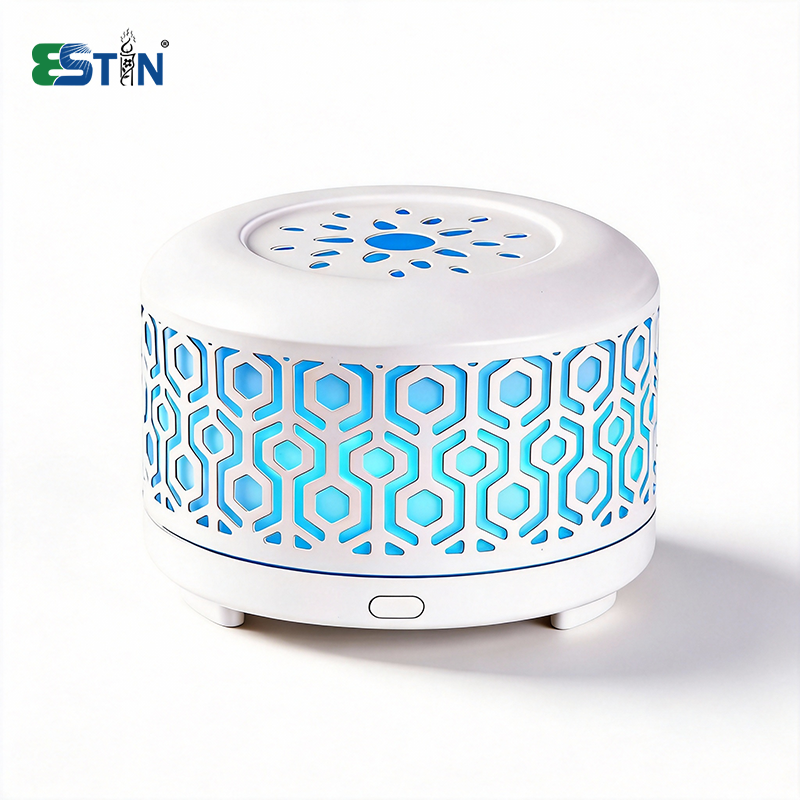
While behavioral adjustments are certainly helpful, the baseline structural quality of your hardware ultimately dictates its survivability. Upgrading to premium materials is a logical, data-driven decision for anyone living in a hot climate. Let us compare the performance of standard models against professional-grade equipment.
Feature | Standard Plastic Diffuser | Premium Metal Diffuser |
|---|---|---|
Thermal Stability | Warping and melting above 120 degrees Fahrenheit | Maintains structural integrity well beyond 180 degrees Fahrenheit |
Battery Protection | Traps heat, increasing swelling risk | Acts as a natural heat sink to dissipate internal temperatures |
Sealing Technology | Basic rubber gaskets prone to heat degradation | High-tolerance silicone O-rings prevent expansion leaks |
Atomization Method | Often requires water, risking mold growth in heat | Waterless cold-air nebulizing technology |
Unlike standard consumer plastics, aluminum and high-grade metal alloys possess vastly superior thermal stability. A mini seven-color metal pure essential oil diffuser will not warp, melt, or off-gas toxic microplastics when subjected to brutal dashboard heat. Additionally, metal acts as a highly efficient natural heat sink. This helps dissipate internal battery temperatures far more effectively than insulating plastic casings ever could.
Traditional ultrasonic models require a reservoir of water to operate. Leaving stagnant water inside a hot car essentially creates a miniature swamp. This fosters the rapid growth of mold, mildew, and harmful bacteria within hours. Modern solutions bypass this issue entirely. By atomizing the oil directly without the use of water, these advanced devices keep your car interior dry, sanitary, and perfectly scented regardless of external humidity levels.
Protecting your equipment requires a blend of environmental control and simple habit adjustments. By implementing these actionable safety measures, you can dramatically extend the lifespan of your device even during severe heatwaves.
Complete avoidance remains the most foolproof method to prevent thermal damage. You should treat your electronic scent dispenser with the same level of care you give your smartphone. If you plan to park in an unshaded asphalt lot for several hours between noon and late afternoon, simply detach the unit and carry it indoors with you.
Direct sunlight acts like a magnifying glass on dark electronic components. If the unit must remain in the vehicle, relocate it to the glove compartment or the center storage console before you exit. These enclosed compartments remain entirely dark and significantly cooler than the dashboard. This protects the internal battery from overheating while shielding fragile essential oils from UV-induced decay.
To combat the thermal expansion issues mentioned earlier, physical positioning is absolutely vital. Always ensure your equipment is secured tightly in a well-fitted cup holder or mounted firmly to an air vent. Storing a fluid-filled container on its side while internal liquids are actively expanding virtually guarantees a massive leak. Keeping it perfectly upright allows the expanding air to safely escape through the top vents without pushing the valuable oil out alongside it.
The ambient temperature of your vehicle heavily influences how different botanical extracts behave. Heat alters both viscosity and evaporation rates. This makes certain oils ideal for a summer road trip while rendering others highly problematic.
During the hotter months, opt for lighter, highly volatile top notes that disperse quickly. Peppermint contains high levels of menthol, which naturally triggers cold-sensitive receptors in the nasal passages. This makes the hot car physically feel cooler to the occupants. Citrus oils feature clean, uplifting profiles that cut through stale, stuffy air with incredible efficiency.
In contrast, heavy, resinous base notes should be strictly avoided during peak summer heatwaves. Oils such as Myrrh, Vetiver, and Sandalwood possess naturally thick consistencies. When exposed to fluctuating extreme temperatures, the lighter molecules within these oils evaporate away. This leaves behind a sticky, sludgy residue that will permanently clog the microscopic atomizing nozzles of your equipment.
A frequent frustration among drivers is how rapidly car fragrances seem to vanish during July and August. Because intense heat accelerates the evaporation process, you must adjust your diffusion strategy to preserve your expensive oils.
First, abandon the continuous spray setting. Instead, utilize the intermittent timer modes available on premium waterless metal diffusers. Setting the device to release a burst of mist for 10 seconds every three minutes prevents olfactory fatigue and drastically conserves your liquid supply.
Next, try to synchronize your unit with your vehicle climate control. Wait until the air conditioning has cooled the cabin before powering on the mist. The chilled air slows down the volatilization rate of the oil, allowing the microscopic scent droplets to linger in the air much longer.
Finally, practice micro-dosing. Do not fill your oil bottle to the brim during the summer. By filling it only a quarter of the way, you leave ample room for thermal expansion. This effectively prevents positive pressure leaks.
Even with meticulous precautions, prolonged exposure to extreme environments can eventually take a toll on electronic components. It is vital to objectively assess your hardware periodically. Stop using the unit immediately if you observe any of the following warning signs:
Visual Cues: The outer casing appears warped, the seams are beginning to separate, or there is a sticky residue on the exterior. This usually indicates an internal micro-leak has breached the circuitry.
Performance Issues: The unit continuously sputters, produces a visibly weaker mist output than usual, or emits a loud grinding noise. This points to a heat-warped internal pump mechanism.
Battery Warnings: If the unit becomes uncomfortably hot to the touch while charging via the USB port, the battery cells have degraded. More importantly, if the casing appears to be bulging from the inside, the power cell has swollen. You must dispose of the unit immediately at a certified electronic recycling center to prevent fire hazards.
Summer heat is undeniably brutal on standard automotive accessories, but you do not have to sacrifice a pleasant, relaxing commute. By understanding the thermal limits of consumer plastics and the fluid dynamics of essential oils, you can easily adapt your operational habits to protect your vehicle interior.
Always remember to keep your hardware out of direct sunlight, utilize your glovebox for storage, and manage your oil levels carefully. Most importantly, upgrading from easily compromised plastics to professional-grade equipment ensures a safe, luxurious, and long-lasting aromatherapy experience. If you are ready to elevate your daily commute with heat-resistant, high-performance technology, explore the range of professional aromatherapy equipment designed specifically to withstand the rigors of summer driving.
Generally, no. Temperatures in a parked car can easily exceed 150 degrees Fahrenheit on a sunny day. This extreme heat can permanently damage the internal battery, warp plastic components, and degrade the essential oils. It is always best to store the unit in the glovebox out of direct sunlight or take it indoors with you.
While a catastrophic explosion is rare, the lithium-ion batteries inside wireless models can experience thermal runaway if left in extreme direct sunlight. This causes the battery to swell, leak corrosive fluids, or catch fire. Always keep battery-operated devices out of direct UV exposure.
Yes, they do. Intense heat accelerates oxidation, which breaks down the delicate molecular structure of the botanical extracts. This process destroys the therapeutic properties and turns pleasant scents into sour, stale, or burnt odors.
Heat causes the liquid oil and the trapped air inside the reservoir bottle to expand. This thermal expansion creates positive pressure, which pushes the oil up and out of the atomizing nozzle. Keeping the unit perfectly upright and storing it in a cooler, shaded spot prevents this pressure buildup.
Metal alloys offer vastly superior heat resistance, meaning they will not melt, warp, or release toxic plastic fumes when sitting on a scorching dashboard. They also act as a natural heat sink for the battery, provide tighter leak-proof seals, and offer a durable build designed to survive extreme climates.


