+86-18925518708 leah@myerhw.com
- Product Name
- Product Keyword
- Product Model
- Product Summary
- Product Description
- Multi Field Search
 EnglishEnglish


The transition from synthetic, aerosol-based air fresheners to controlled, essential oil dispersion has made the aroma diffuser a standard fixture in modern environmental design. People frequently buy the wrong hardware for their specific spatial requirements. This mismatch results in poor scent throw, excessive oil consumption, or unwanted condensation on furniture. These issues completely negate the intended benefits of ambient scenting. To achieve the desired atmospheric, aesthetic, and functional results, you must evaluate devices based on dispersion technology, room size, and specific use-case criteria. Relying on marketing claims often leads to underperforming setups in large living areas or overpowering smells in small offices. This guide provides a technical, field-tested framework for selecting the exact device needed for every space in your home.
Technology Dictates Performance: The benefits of an aroma diffuser rely heavily on the dispersion method; ultrasonic models add slight humidity and operate quietly, while nebulizing models deliver potent, waterless scent concentration with rapid dispersion speeds.
Spatial Matching is Critical: A diffuser's efficacy is determined by its coverage capacity. High-traffic or large living areas require different hardware than a compact home office or bedroom.
Ambiance and Well-being: Beyond basic odor control, the right home fragrance diffuser elevates the perceived luxury of a space while facilitating the inhalation of beneficial compounds for stress reduction and focus.
Maintenance Impacts Longevity: Evaluating the cleaning requirements and operational costs (oil consumption rates) is essential for long-term satisfaction and preventing mold or bacterial growth.
Safety and Air Quality: Proper implementation requires vetting essential oils for pet safety and understanding the impact of diffused particulates on indoor air quality (IAQ).
Traditional air fresheners rely on heavy synthetic chemicals to mask existing smells. They coat the nasal receptors without addressing the root cause of the odor. Essential oils dispersed through a high-quality Home Fragrance Diffuser work differently. Certain plant extracts contain active chemical constituents that bind to airborne odor molecules. Citrus oils, rich in limonene, actively neutralize lingering cooking smells or stale air by interacting with volatile sulfur compounds. This chemical interaction breaks down the odor profile rather than simply layering a heavy perfume over it. The result is a cleaner, more breathable indoor environment that does not leave a sticky residue on surfaces.
Targeted scent design directly influences spatial perception and cognitive function. The olfactory bulb connects directly to the brain's limbic system, which governs emotion and memory. Inhaling specific volatile compounds yields verifiable atmospheric benefits. Diffusing pinene-heavy oils like rosemary or fir can sharpen focus in work environments. Conversely, linalool-rich oils like lavender promote relaxation in rest areas. You must select oils based on the functional purpose of the room. Avoid exaggerated medical claims regarding essential oils. They do not cure ailments, but they do effectively modulate the psychological feel and stress levels within a space. Consistent application of specific scents can even help establish strong environmental cues for sleep or deep work.
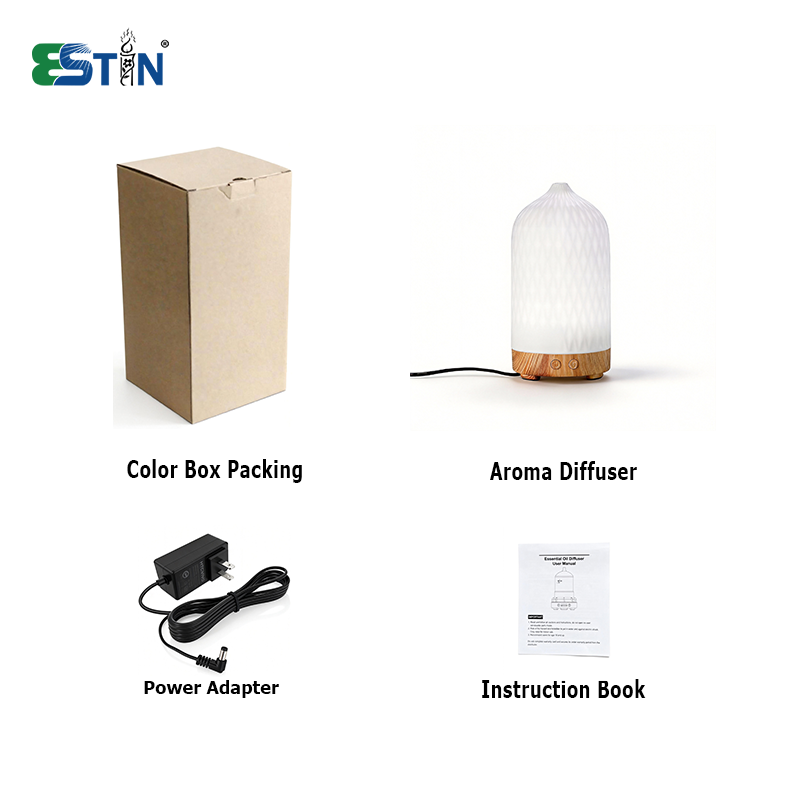
Scent acts as an invisible interior design element. The right fragrance transforms how a room feels, making it appear more luxurious, inviting, and premium. Boutique hotels and high-end retail stores use ambient scenting to create memorable guest experiences. You can replicate this effect at home. A well-placed device establishes a cohesive sensory environment. The physical design of the hardware also contributes to the room's aesthetic. Models featuring rhombic texture glass, matte ceramics, or natural wood finishes serve as functional decor pieces even when powered off. The visual appeal of the unit should match the architectural style of the room it occupies.
Ultrasonic models provide a secondary benefit by adding minimal moisture to the air. They agitate water to create a fine, cool mist that carries the essential oil. This micro-humidity can alleviate dry air in immediate proximity to the device. However, you must understand their limitations. An ultrasonic unit does not replace a dedicated room humidifier. The water output typically ranges from 20ml to 50ml per hour, which is too low to significantly alter the relative humidity of an entire room. Rely on them for scent dispersion and localized moisture, not whole-house climate control. Overestimating their humidifying capabilities leads to disappointment during dry winter months.
Ultrasonic technology dominates the consumer market due to its accessibility and dual-functionality. These devices utilize a small piezoelectric transducer located at the base of a water reservoir. When powered, this ceramic disc vibrates at ultrasonic frequencies, typically around 2.4 million times per second. This intense vibration creates ultrasonic waves that break the essential oil and water mixture into microscopic particles, propelling them into the air as a fine mist.
Pros: Whisper-quiet operation makes them ideal for bedrooms. They double as micro-humidifiers. They provide prolonged, subtle ambiance over several hours without burning through oil supplies rapidly.
Cons: The water dilutes the essential oil, resulting in a lighter scent profile. Scent dispersion is slower compared to other methods. They require regular water refills. Improper cleaning leads to bacterial growth and biofilm in the reservoir.
Nebulizing technology offers the most potent scent delivery available. These units operate without water or heat. They rely on the Bernoulli principle, using pressurized air to force essential oils through a small glass tube. The high-velocity airflow atomizes the pure oil into an ultra-fine vapor, which disperses rapidly throughout the space. Because the oil is not diluted with water, the scent remains highly concentrated.
Pros: Delivers the most potent, unaltered aroma. Rapid dispersion speed provides immediate atmospheric impact. Maximizes the inhalation of beneficial compounds. Ideal for large spaces, high ceilings, and open floor plans.
Cons: Consumes essential oils at a much higher rate. The internal air pump often generates a noticeable humming or vibrating noise. They require specific cleaning protocols to prevent the micro-tubes from clogging with thick resins.
Evaporative models use a fan to blow air through a filter or pad soaked in essential oil. Heat diffusers use a low-level heat source to warm the oil, accelerating evaporation. Both methods are generally considered inferior for high-end home fragrance applications. Heat alters the delicate chemical composition of essential oils, degrading the scent profile and destroying beneficial compounds. Evaporative models cause the lighter top notes of an oil to disperse quickly, leaving the heavier base notes behind. This results in an unbalanced, inconsistent aroma over time. We do not recommend these technologies for serious environmental scenting.
Technology Type | Scent Potency | Dispersion Speed | Noise Level | Maintenance Needs |
|---|---|---|---|---|
Ultrasonic | Moderate (Diluted) | Slow to Moderate | Very Low (<30dB) | Weekly water reservoir wipe-down |
Nebulizing | High (Pure Oil) | Very Fast | Moderate (Pump hum) | Periodic alcohol flushes for glass tubes |
Evaporative | Low to Moderate | Moderate | Low (Fan noise) | Frequent pad/filter replacements |
Heat | Variable (Altered) | Slow | Silent | Wiping resin residue from heating plate |
The bedroom requires an environment optimized for sleep and relaxation. Hardware selection here must prioritize acoustic performance and light control. A loud pump or bright LED display will disrupt rest. You need a device that operates in the background without drawing attention to itself.
Success Criteria: Whisper-quiet operation (under 30 decibels), auto-shutoff features, low-light or no-light options, and the promotion of relaxation.
Recommended Tech: Ultrasonic units are the optimal choice. They operate quietly and add a slight, comforting humidity. Look for models with intermittent timer settings (e.g., 30 seconds on, 30 seconds off) to maintain a subtle scent without overwhelming the small space while you sleep.
Workspace scenting should enhance concentration without causing olfactory fatigue. The scent throw must be consistent but moderate. Heavy, overpowering fragrances can cause headaches and reduce productivity. The device should also have a small footprint to avoid cluttering your desk.
Success Criteria: Consistent, moderate scent throw. Low maintenance during working hours. Small footprint to fit on a desk or shelf.
Recommended Tech: Small nebulizers with variable intensity dials allow you to dial in the exact scent concentration needed. Alternatively, desktop ultrasonic models work well, provided they have a large enough reservoir (at least 150ml) to run through the workday without requiring constant refills.
Open-concept living areas present the greatest challenge for scent dispersion. Standard ultrasonic models often fail to cover the square footage, resulting in scent pooling near the device while the rest of the room remains unfragranced. High ceilings further dilute the scent profile.
Success Criteria: High square-footage coverage. Rapid scent dispersion for entertaining guests. Aesthetic integration with the surrounding decor to create a luxurious environment.
Recommended Tech: High-capacity nebulizing units are mandatory for large spaces. They atomize pure oil, allowing the scent to travel further on ambient air currents. For ultra-premium setups, consider HVAC-integrated scenting systems that utilize the home's existing ductwork for even distribution across multiple rooms.
Bathrooms naturally generate high humidity from showers and baths. Adding an ultrasonic unit to this environment introduces unnecessary moisture, increasing the risk of mold and mildew development on walls and ceilings. You must focus strictly on odor neutralization here.
Success Criteria: Effective odor control and a fresh ambiance without adding any moisture to the already humid environment.
Recommended Tech: Waterless nebulizers are highly effective for rapid odor neutralization. For a lower-maintenance approach, passive evaporative diffusers, such as high-quality reed diffusers, provide continuous, subtle scenting without electricity or added humidity.
Manufacturer specifications regarding square footage capacity often assume ideal conditions. You must evaluate these claims against the actual airflow and layout of your home. High ceilings, open doorways, and HVAC return vents alter how scent travels. A device rated for 300 square feet may only effectively cover 150 square feet in a drafty room with vaulted ceilings. Consider dispersion speed as well. If you want immediate scent upon returning home, a nebulizer achieves full room coverage in minutes. An ultrasonic model may take up to an hour to properly scent the same space.
To accurately assess your space, follow these steps:
Measure the length and width of the room to calculate base square footage.
Factor in ceiling height. Rooms with ceilings higher than 9 feet require devices with higher output capacities.
Identify the primary airflow paths. Place the unit away from open windows or direct HVAC return vents that will immediately suck the scent out of the room.
Determine your usage pattern. If you only run the device for short bursts, prioritize rapid dispersion technologies.
Essential oils are highly concentrated plant extracts. Citrus oils, in particular, contain caustic compounds that slowly degrade cheap plastics. When selecting a device, prioritize material integrity. Medical-grade glass, ceramic, and high-density BPA-free plastics like Polypropylene (PP) resist chemical degradation. Devices built with inferior ABS plastics will eventually cloud, crack, or leach plastic compounds into the water reservoir. This ruins the device and compromises the scent quality. Always check the manufacturer's material specifications before purchasing.
The initial purchase price of the hardware is only one part of the equation. You must calculate the ongoing consumption of high-quality essential oils. Nebulizers, because they do not use water, consume oil at a significantly faster rate than ultrasonic models. Running a nebulizer continuously can deplete a 15ml bottle of essential oil in a few days. Ultrasonic models stretch that same bottle over weeks. Factor this consumption rate into your decision, especially if you plan to use rare, low-yield oils like frankincense, rose, or sandalwood.
Consistent maintenance dictates the lifespan of any unit. Ultrasonic models require weekly cleaning to prevent mineral scale buildup from tap water and biofilm development from stagnant water and oil residue. Nebulizers require periodic flushing with isopropyl alcohol to clear the micro-tubes of thickened oil. Evaluate the physical design of the unit before purchasing. If the water reservoir is difficult to access or the nebulizing glass is fragile and hard to dismantle, you will likely neglect the cleaning routine. Neglected devices fail quickly and cross-contaminate different scent profiles.
Many common essential oils are highly toxic to cats and dogs. Their livers lack the specific cytochrome P450 enzymes necessary to metabolize certain volatile compounds. Eucalyptus, tea tree, peppermint, pine, and citrus oils pose severe risks to pets, leading to respiratory distress or neurological issues. When using ambient scenting in a home with animals, stick to pet-safe oils like lavender or cedarwood. Always operate the device in a well-ventilated area. Ensure the pet has an open door to leave the room if the scent becomes overwhelming. Keep all hardware and oil bottles strictly out of reach of children.
Introducing any particulate matter into the air impacts Indoor Air Quality (IAQ). Essential oils release Volatile Organic Compounds (VOCs). While natural, these compounds can still trigger respiratory irritation in individuals with asthma or severe allergies. Continuous diffusion also leads to olfactory fatigue, where your nose becomes blind to the scent. To mitigate these risks, implement intermittent diffusion schedules. Run the device for 30 minutes, followed by a 60-minute break. This maintains a pleasant ambiance, preserves your oil supply, and protects your indoor air quality from excessive particulate buildup.
Take the following steps to optimize your home fragrance setup:
Measure the square footage and ceiling height of your target room to determine the exact coverage capacity required.
Inspect your home's ventilation and existing humidity levels to choose between waterless nebulizing or ultrasonic technology.
Verify the manufacturer's material specifications to ensure the reservoir uses high-grade, essential-oil-resistant plastics or glass.
Establish a weekly maintenance schedule using isopropyl alcohol or white vinegar to prevent residue buildup and hardware failure.
A: They do not purify the air like HEPA filters do. They cannot remove dust, dander, or allergens. However, certain essential oils possess antimicrobial properties that neutralize airborne odor molecules, making the air smell cleaner and fresher without physically filtering particulates.
A: A humidifier is designed to add significant moisture to a room to raise the relative humidity. An aroma diffuser is designed to disperse essential oils for scenting. While ultrasonic models add a tiny amount of moisture, they lack the output capacity to function as true humidifiers.
A: A nebulizing unit fills a room with scent almost immediately, often within minutes, because it atomizes pure oil using pressurized air. An ultrasonic model takes much longer, sometimes up to an hour, as it disperses a diluted mixture of oil and water.
A: You should avoid running a unit continuously. Intermittent use is best. Run the device for 30 to 60 minutes, then turn it off for an equal amount of time. This prevents olfactory fatigue and minimizes the accumulation of VOCs in your indoor air.
A: Neither is inherently better; they serve different purposes. Nebulizers are superior for large spaces and delivering potent, pure scents rapidly. Ultrasonic units are better for bedrooms due to their whisper-quiet operation, lower oil consumption, and subtle scent delivery.
A: Yes, if used improperly in an already damp environment. Ultrasonic units release moisture. If placed in a small, unventilated room or a naturally humid area like a bathroom, this excess moisture can contribute to mold and mildew growth on nearby surfaces.
A: Many oils are toxic to pets, particularly cats and dogs. Highly dangerous oils include tea tree, eucalyptus, peppermint, pine, wintergreen, and most citrus oils. Always consult with a veterinarian before introducing new diffused scents into a home with animals.


