+86-18925518708 leah@myerhw.com
- Product Name
- Product Keyword
- Product Model
- Product Summary
- Product Description
- Multi Field Search
 EnglishEnglish


Many households still rely on synthetic, aerosol-based air fresheners to manage indoor odors. These traditional products often contain volatile organic compounds that mask smells temporarily while dropping heavy particles onto your surfaces. They can easily trigger respiratory sensitivities in enclosed spaces. People now want safer, scalable scenting solutions that do not overwhelm a room. Achieving consistent indoor fragrance requires precise dispersion technology. The aroma diffuser solves this problem directly. It atomizes natural liquids into micro-molecules, preserving the chemical integrity of the extracts. You have to evaluate the technical mechanics of these devices to optimize your environment. Matching the specific dispersion method to your spatial requirements ensures effective scenting. We will look at how to select the right technology, scale output for your room size, and maintain optimal indoor air quality without relying on harsh chemicals.
Technology Dictates Performance: The choice between ultrasonic and nebulizing mechanisms fundamentally alters scent potency, oil consumption, and maintenance requirements.
Scalability is Space-Dependent: Effective indoor fragrance requires matching the diffuser’s output capacity (ml/hr) to the square footage of the room.
Atmosphere Curation: Beyond basic scenting, diffusers allow users to actively modulate their environment—promoting focus in workspaces or calm in residential areas using specific botanical profiles.
Safety and Maintenance are Non-Negotiable: Long-term success relies on strict cleaning protocols to prevent microbial growth and careful selection of essential oils to ensure pet and occupant safety.
Cost of Ownership Extends Beyond the Device: Buyers must factor in the ongoing cost of high-quality essential oils, which varies drastically based on the chosen diffusion method.
We define this device objectively as a mechanical or ultrasonic tool designed to break down liquid botanical extracts into microscopic molecules. It then disperses these light particles into the ambient air. The physical process of atomization sets this technology apart from older methods. Traditional burning methods use heat to release fragrance. Heat destroys delicate botanical compounds and alters the chemical profile of the liquid. Atomization relies on high-frequency vibrations or pressurized air. This cold-diffusion process preserves the structural integrity of the molecules.
Inside an ultrasonic unit, a small ceramic disc vibrates at frequencies around 2.4 million times per second. This rapid movement creates a standing wave in the water reservoir. The wave pulls the botanical extracts into microscopic droplets, usually around 5 microns in diameter. Because these droplets are so small and lightweight, they ride the natural air currents in your room. The resulting mist remains suspended in the air for extended periods. This suspension creates a consistent and even olfactory experience across the entire space, rather than a heavy concentration of scent in just one corner.
Evaluating indoor scenting requires comparing continuous output against static output. Plug-in devices and wax candles release a static, unadjustable scent. Aerosol sprays deliver a rapid burst of heavy synthetic particles. These particles fall to the floor quickly, leaving a sticky residue on tables and hardwood floors. Diffusers offer continuous, adjustable output. You control the mist intensity and duration based on your immediate needs. They utilize natural ingredients rather than synthetic chemical blends.
This customization comes with a specific trade-off. Diffusers require active maintenance. You must clean the water tank and ultrasonic plate regularly to keep the device functioning. They also require a dedicated power source and a flat, stable surface. Traditional air fresheners are disposable and require zero maintenance. However, they lack the spatial scaling and atmospheric control that active diffusion provides. When you use an active dispersion tool, you dictate exactly how much scent enters the room and when it stops.
Feature | Active Diffusion | Traditional Aerosols | Plug-in Devices |
|---|---|---|---|
Scent Source | Botanical extracts and natural liquids | Synthetic chemicals and propellants | Synthetic gels or heated waxes |
Output Control | Adjustable mist settings and timers | Rapid aerosol drop | Static, continuous release |
Particle Suspension | Micro-molecules stay airborne for hours | Heavy particles fall to surfaces quickly | Scent pools heavily near the outlet |
Residue | None (if using pure extracts) | Sticky film on hard surfaces | Oily residue on nearby walls |
Ultrasonic models dominate the residential market. They utilize a small ceramic disk located at the base of a water reservoir. This disk vibrates at high electronic frequencies. The rapid vibration creates ultrasonic waves in the water. These waves agitate the water and botanical liquid mixture, breaking the liquids down into a fine, cool mist. A small internal fan blows this mist out of the top of the device.
This mechanism doubles as a localized humidifier. It adds slight moisture to dry indoor air, which is highly beneficial during winter months when indoor heating systems dry out the environment. Ultrasonic units operate very quietly, usually producing less than 30 decibels of noise. They use less liquid extract per session because water acts as a carrier. However, the water dilutes the scent. The overall fragrance potency is lower than other methods. You must refill the water tank frequently. Adding moisture to the air may not suit naturally damp or humid climates, as it can contribute to condensation on windows.
Nebulizing units offer a completely different mechanical approach. They do not use water or heat. They rely on pressurized air and a specialized jet nozzle. This system applies Bernoulli's principle of fluid dynamics. A small air pump forces air through a narrow micro-tube. This creates a pressure drop and a vacuum effect. The vacuum pulls the pure liquid extract to the surface. The pressurized air then atomizes the liquid, shattering it against a glass reservoir wall into a highly concentrated vapor.
A nebulizing Essential Oil Diffuser delivers the highest concentration of pure fragrance available. It is ideal for large open spaces with high ceilings. It preserves the exact chemical composition of the liquid perfectly because no water dilutes the mixture. The primary drawback is liquid consumption. These units consume extracts at a significantly faster rate. The internal air pump also makes them noisier than ultrasonic models, often reaching 40 to 50 decibels, which sounds like a low hum or vibration.
Evaporative models use a simple internal fan. The fan blows ambient air through a filter or pad soaked in fragrant liquid. The moving air evaporates the liquid and carries the scent into the room. Heat diffusers use low electrical heat to warm the liquid. The gentle heat accelerates evaporation. We evaluate these as legacy options. They lack the sophisticated atomization of modern devices.
Heat diffusers present a specific risk. Applying heat alters the chemical profile of botanical extracts. It degrades the delicate terpene compounds. This reduces any potential therapeutic efficacy and often changes how the scent smells, making it seem burnt or overly sweet. Evaporative models also suffer from uneven scent dispersion. The lighter scent molecules evaporate first, while the heavier molecules evaporate later. This creates an inconsistent fragrance profile over time, where the scent smells entirely different at the end of the cycle than it did at the beginning.
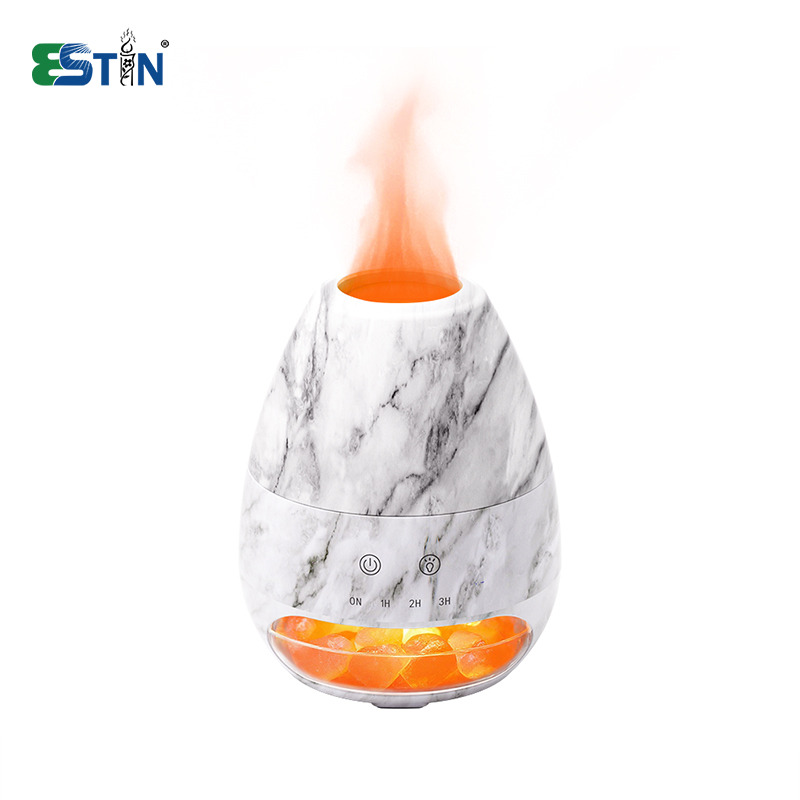
Effective indoor fragrance goes beyond simply layering a heavy scent over a bad smell. Masking odors often creates a conflicting, unpleasant environment. Think of spraying a floral aerosol over the smell of burnt food; the resulting combination is usually worse than the original odor. Specific botanical molecules actively interact with airborne odor particles. They bind to these particles at a molecular level.
This binding process alters the structure of the odor molecule. It neutralizes the unpleasant smell rather than just covering it up. Citrus and pine extracts contain high levels of d-limonene and pinene, which are particularly effective at this neutralization process. They work exceptionally well against cooking odors, pet smells, and stale air. However, you must understand the limitations of diffusion technology. Diffusers do not remove particulate matter from the air. They are not air purifiers. They will not filter out smoke particles, dust, or pet dander. They strictly manage the olfactory profile of the room.
Scent throw refers to how far a fragrance travels within a given space. Diffusers allow you to customize this throw. Adjustable mist settings dictate the volume of mist released per minute. Intermittent timers control the frequency of the release. You align the device's output with your specific room dynamics. High ceilings and strong HVAC airflow require higher output settings. If you place a unit directly under a return air vent, the HVAC system will suck the mist out of the room immediately. Proper placement is two to three feet off the ground, away from direct drafts.
Smaller, enclosed rooms require lower settings to prevent oversaturation. You can set a timer to diffuse for thirty minutes and pause for thirty minutes. This intermittent cycle pushes scent throughout the room efficiently. It scales the fragrance to match the exact square footage of your environment. By pulsing the scent into the room, you allow the air currents to distribute the molecules evenly before adding more, preventing the air from feeling heavy or overwhelming.
Ambient scenting carries verified psychological benefits. The olfactory bulb connects directly to the limbic system in the brain. This system processes emotion and memory. An active dispersion tool allows you to curate distinct atmospheres. You design specific environments for both home and work based on the time of day and your desired outcome.
Grounding scents promote calm and rest in residential areas. Frankincense, rose, and vanilla excel in these relaxing applications, making them perfect for evening routines in the living room or bedroom. Uplifting scents enhance energy and focus in workspaces. Ginger, cinnamon, and citrus profiles stimulate alertness, making them ideal for a home office during the mid-afternoon slump. We focus strictly on the sensory experience and routine-building. Avoid exaggerated medical claims regarding botanical extracts. The primary value lies in modulating the ambiance and improving your daily environmental experience.
Matching the device's output capacity to your room size is mandatory. An undersized unit will fail to scent the room, leaving you frustrated with the lack of performance. An oversized unit will overwhelm the space quickly, potentially causing headaches or respiratory irritation. You must establish a baseline metric for your purchase based on the square footage of the target room.
Room Size (Sq Ft) | Recommended Tank Capacity | Ideal Technology |
|---|---|---|
Under 150 (Bathrooms, Small Offices) | 100ml - 150ml | Ultrasonic |
150 - 300 (Bedrooms, Kitchens) | 200ml - 300ml | Ultrasonic |
300 - 500 (Living Rooms, Basements) | 400ml - 500ml | Ultrasonic or Small Nebulizer |
500+ (Open Concept, Large Spaces) | Waterless / Direct Attach | High-Output Nebulizer |
Small rooms under 150 square feet require modest output. A 100ml to 150ml ultrasonic tank works perfectly for bedrooms or home offices. Medium rooms between 150 and 300 square feet need 200ml to 300ml tanks to maintain a consistent scent throw. Large open-concept spaces over 500 square feet demand high capacity. You need a 500ml+ ultrasonic tank for these areas. Alternatively, a nebulizing unit provides the necessary potency for expansive living rooms without requiring constant water refills.
Build materials impact both durability and aesthetic integration. Most standard units utilize plastic housing. You must ensure the manufacturer uses medical-grade, BPA-free plastics. Specifically, look for polypropylene (PP). This material resists chemical degradation. Cheap, standard ABS plastics will degrade quickly when exposed to pure extracts.
Pure citrus extracts contain compounds that are highly corrosive to low-grade plastics. They will literally eat through a cheap water tank over time, causing leaks and destroying the internal electronics. Premium models utilize glass, ceramic, or treated wood. These materials offer superior aesthetic integration for modern home decor. Glass and ceramic also provide excellent resistance to corrosive liquids. They ensure the longevity of the device while elevating the visual appeal of the room. A ceramic unit blends seamlessly onto a bookshelf, looking like a piece of pottery rather than an electronic appliance.
Assess the utility features before making a decision. Run time dictates how often you must interact with the device. A larger tank provides a longer continuous run time, sometimes up to 12 hours on a low mist setting. Auto-shutoff is a mandatory safety feature. The device must power down automatically when the tank empties. This prevents the ceramic plate from overheating and burning out.
Intermittent diffusion cycles are highly valuable. They prevent olfactory fatigue. Olfactory fatigue occurs when your nose becomes blind to a constant scent after about 15 to 20 minutes of exposure. Cycling the mist on and off keeps the fragrance noticeable to your brain. Smart home integration offers advanced control. App-controlled scheduling allows you to activate the device before you arrive home. You manage mist intensity directly from your smartphone, adjusting the output without having to walk across the room.
Ultrasonic models introduce specific maintenance realities. Stagnant water breeds mold and bacteria rapidly. If you leave water sitting in the tank for several days, you will diffuse those mold spores directly into your breathing air. Liquid residue also builds up on the ultrasonic disk. This thick buildup impedes vibration and severely reduces mist output. You must implement a standard maintenance framework to mitigate these risks.
Unplug the device and empty any remaining water from the rear of the tank, avoiding the air intake vent.
Rinse the water tank daily with warm tap water after use.
Wipe the inside of the tank completely dry with a clean microfiber cloth.
Perform a deep clean once a week by filling the tank halfway with clean water.
Add ten drops of pure white vinegar to the water.
Run the device outdoors or in a well-ventilated bathroom for five minutes to flush the internal components.
Empty the vinegar solution and use a cotton swab to gently clean the ceramic disk at the bottom of the tank.
Rinse thoroughly with fresh water and let the unit air dry completely before reassembly.
You must prioritize occupant and pet safety when diffusing botanical extracts. Certain liquids are highly toxic to cats and dogs. Cats, in particular, lack the liver enzyme UGT necessary to metabolize specific compounds. Eucalyptus, tea tree, peppermint, pine, and citrus profiles pose significant risks to pets. Exposure can lead to lethargy, vomiting, or severe neurological issues.
Always research a specific scent profile before introducing it to a home with animals. Stick to pet-safe options like lavender or chamomile, and observe your animals closely during the first use. Proper ventilation is mandatory. Avoid continuous, unventilated exposure in small rooms. Always leave the room door open. This allows pets to leave the area if the scent becomes overwhelming to their sensitive noses. Monitor human occupants for respiratory irritation as well. Stop diffusion immediately if anyone experiences coughing, sneezing, or watery eyes.
The ongoing operation of these devices requires a steady supply of high-quality botanical extracts. The rate at which you consume these liquids depends entirely on the technology you choose. Ultrasonic models are highly efficient with liquid extracts. Because water acts as the primary carrier for the mist, you only need 5 to 10 drops of extract per session. A standard 15ml bottle can last for several months of daily use in an ultrasonic unit.
Nebulizing units operate differently. Because they do not use water, they pull directly from the bottle of extract. A nebulizer running at high intensity can consume a 15ml bottle in just a few weeks. You must factor this consumption rate into your decision. If you plan to run the device all day, every day, an ultrasonic model will conserve your liquids much more effectively. Nebulizers are better suited for shorter, high-intensity bursts of scent prior to hosting guests or clearing out strong cooking odors.
An active dispersion device serves as a highly effective tool for optimizing indoor fragrance. It replaces synthetic aerosols with customizable, natural scent dispersion. Success depends entirely on matching the technology to your spatial requirements and committing to the necessary maintenance protocols. Ultrasonic models work best for bedrooms and localized ambiance, providing quiet operation and gentle scenting. Nebulizing models excel in large living spaces, delivering the potent scenting required for expansive areas. Implementing these devices correctly transforms the olfactory profile of your environment.
Measure your target room size to determine the exact tank capacity or output level required for effective coverage.
Identify your primary goal to choose between the subtle, humidifying mist of an ultrasonic unit or the potent, waterless vapor of a nebulizer.
Verify the build materials of the device to ensure resistance to corrosive citrus liquids, prioritizing polypropylene, glass, or ceramic.
Establish a strict weekly cleaning schedule using white vinegar to prevent microbial growth and maintain optimal mist output.
A: Humidifiers are designed to add significant moisture to a room to combat dry air. They have large water tanks and are rarely built to withstand corrosive botanical liquids. Diffusers prioritize scent dispersion. They have much smaller tanks, output minimal moisture, and use specialized plastics resistant to liquid extracts.
A: No. You must use 100% pure botanical extracts. Do not use synthetic fragrance oils, as they often contain heavy chemicals. You must also avoid thick carrier oils like coconut or jojoba oil. These thick liquids will permanently clog the internal components and ruin the ultrasonic plate.
A: We recommend running the device in intermittent intervals. A cycle of 30 minutes on and 30 minutes off is ideal. Continuous operation leads to olfactory fatigue, where you no longer smell the fragrance. Intermittent cycles prevent over-saturation and extend the life of your liquids.
A: No. This is a common myth. While some botanical extracts possess mild antimicrobial properties, the device itself does not filter the air. It does not remove dust, pet dander, or volatile organic compounds. For actual air purification, you must use a dedicated device with a true HEPA filter.
A: The better choice depends entirely on your use case. Waterless nebulizers are superior for pure scent potency and covering very large spaces. However, they are worse for users looking to conserve oil because they consume liquid extracts at a much faster rate and operate louder than ultrasonic models.
A: Several factors cause low mist output. First, check for liquid residue buildup on the small ceramic plate at the bottom of the tank. Clean it gently with a cotton swab and vinegar. Second, ensure the water level is strictly below the maximum fill line. Overfilling prevents atomization.


