+86-18925518708 leah@myerhw.com
- Product Name
- Product Keyword
- Product Model
- Product Summary
- Product Description
- Multi Field Search
 EnglishEnglish


The global home fragrance market is experiencing rapid expansion today. Candle warmers serve as a fire-safe alternative to traditional lit candles, rapidly gaining traction among safety-conscious consumers and commercial buyers alike.
Recent industry trend analyses reveal a sharp pivot in consumer expectations. The global market is aggressively shifting toward wellness-centric and fire-safe home fragrance solutions. Market researchers note that modern buyers demand advanced functionalities. They are moving away from basic heating plates and instead expect smart-home integration, built-in auto-shutoff timers, touch-sensitive dimming, and eco-friendly material constructions. Consequently, vetting your manufacturing partner goes far beyond securing the lowest price. It requires establishing a technologically capable and strictly compliant supply chain.
However, finding a reliable supplier remains a formidable challenge for B2B procurement teams. Poor sourcing choices inevitably lead to severe electrical safety risks, delayed shipments, and irreversible brand damage. In this comprehensive guide, you will learn exactly how to evaluate a manufacturer from an engineering and commercial perspective, ensuring your next bulk order is safe, highly profitable, and perfectly aligned with current market demands.
Electrical safety forms the absolute baseline for any heating appliance. A standard unit operates by using a halogen bulb or a customized PTC heating element to melt scented wax. If the internal wiring gauges are subpar, or the housing components lack proper heat resistance, the device poses severe risks. These include short circuits, localized overheating, and catastrophic fire hazards. Retailers face massive liability issues, forced product recalls, and brand destruction if they distribute uncertified electronics. Partnering with a fully compliant manufacturer effectively neutralizes these legal and financial vulnerabilities.
Different international regions enforce strict, mandatory electrical safety regulations. Before transferring any deposit, procurement officers must request valid, up-to-date certification documents directly from the supplier's engineering department.
Target Market | Required Certifications | Purpose and Engineering Focus |
|---|---|---|
North America | UL Underwriters Laboratories, ETL, FCC | Ensures rigorous electrical safety, proper grounding, and prevents electromagnetic interference. |
Europe | CE Marking, RoHS | Confirms health and safety standards while restricting hazardous heavy metals in the internal wiring. |
UK & Australia | UKCA, SAA Approvals | Mandatory electrical compliance testing specific to local plug and voltage requirements. |
While certifications prove a product's initial design is safe, consistent mass manufacturing requires stringent factory-floor quality control. Savvy buyers interrogate the manufacturer about their specific testing protocols. Does the factory perform 100 percent functional testing on the assembly line, or do they rely on randomized batch checks? A reliable supplier conducts comprehensive evaluations. These include high-voltage stress tests, grounding continuity checks, and prolonged aging tests where units are powered on for several hours. This guarantees every single warmer functions flawlessly before entering a shipping carton.
Buyers must clearly distinguish between basic white-labeling and true custom manufacturing. White-labeling involves taking the factory's existing product and simply stamping your brand logo on the base. In contrast, developing an OEM candle warmer requires creating a unique product entirely from scratch. This process is tailored to your specific design blueprints, material preferences, and functional requirements. Understanding a supplier's engineering depth helps determine if they can genuinely support your brand's long-term expansion.
Consider the engineering behind advanced models. For instance, manufacturing a wrought iron wax melting lamp equipped with a modern touch switch demands precise integration of sensitive electronic components within a conductive metal chassis. Assess whether the factory has proven experience working with diverse, premium materials such as natural walnut wood, solid marble, matte ceramic, and tempered glass. Furthermore, evaluate their research and development prowess. A competent engineering team will proactively discuss heat dissipation challenges for 35W or 50W GU10 halogen bulbs and suggest structural modifications to ensure thermal stability.
Specifically, packaging serves two vital functions. It provides premium brand presentation and rugged product protection. Because these warmers often contain fragile components like delicate glass lampshades or sensitive heating bulbs, the packaging must be highly protective. Ask if the supplier provides drop-test certified packaging. Retail-ready custom boxes complete with precision-molded EPE foam and branded outer cartons ensure the product survives international transit.
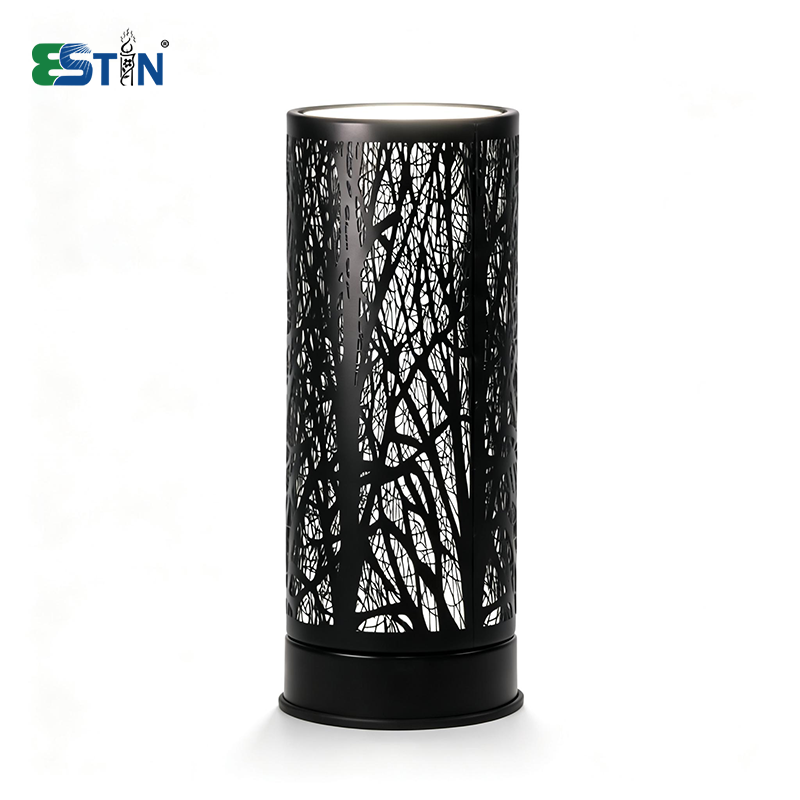
The hospitality sector enforces incredibly stringent requirements for guest room accessories. When sourcing a hotel candle warmer, commercial-grade durability and uncompromising fire-safety compliance are absolute necessities. Since hotels universally prohibit open flames, warmers provide an ideal solution for ambient lighting and fragrance. However, buyers must ensure the manufacturer integrates mandatory safety features. These include anti-tip weighted bases and programmed auto-shutoff timers such as 2-hour, 4-hour, or 8-hour intervals. In practice, the exterior finishes must also resist scratching and allow housekeeping staff to wipe them clean in seconds using industrial solvents.
In addition, wellness centers and boutique spas require products that actively enhance a tranquil environment. A premium spa candle warmer focuses heavily on sensory aesthetics and continuous, quiet operation. Buyers procuring for this niche should seek manufacturers offering models with smooth, touch-sensitive dimming controls. This allows spa therapists to precisely adjust the room's mood. Whisper-quiet operation, meaning absolutely no buzzing from the electrical transformer, is crucial. Natural finishes like raw stone or unglazed ceramic are typically preferred to blend seamlessly with holistic decor.
Beyond design capabilities, understanding the physical scale of your supplier is vital for maintaining an uninterrupted supply chain. A small boutique workshop might dazzle you with a flawless handmade sample, but they will inevitably bottleneck when you place a massive bulk order right before the holiday rush. Buyers should verify the factory square footage, the number of active assembly lines, and the total workforce. Requesting an official factory audit provides objective data on their true manufacturing ceiling.
Production timelines fluctuate wildly throughout the calendar year. During off-peak months, standard lead times typically range from 30 to 45 days. However, procurement teams must strategically plan for peak seasons, particularly the holiday rush, where lead times can stretch to 60 days or beyond. A transparent manufacturer will offer realistic production schedules and help you forecast inventory to prevent disastrous stockouts.
A factory's reliance on outside sub-suppliers directly impacts both product quality and delivery speed. Ask the facility manager if they produce critical components in-house. Do they stamp their own metal bases or blow their own glass shades? If they rely heavily on third-party vendors for these core parts, a slight delay from just one sub-supplier can paralyze the entire assembly line. Facilities boasting vertically integrated supply chains generally offer far more stable lead times.
Minimum Order Quantities or MOQs are a standard hurdle in B2B sourcing. These are not arbitrary numbers. They are calculated based on raw material purchasing minimums and assembly line setup costs. For standard items, a factory might require a modest order of 100 to 500 units. Conversely, if you are developing a fully custom design that requires fresh injection molds, the minimum requirement frequently jumps to 1000 units to absorb the initial setup expenses.
The initial unit price quoted by a sales representative is merely a fraction of your total landed cost. To maintain healthy profit margins, buyers must dissect the pricing structure meticulously.
Pricing Term | Definition | Buyer Responsibility |
|---|---|---|
EXW Ex Works | Buyer pays for shipping directly from the factory floor. | Maximum responsibility. The buyer handles all freight, insurance, and export customs. |
FOB Free on Board | Supplier pays to transport goods to the nearest export port. | Buyer pays for ocean freight, import duties, and final warehouse delivery. |
DDP Delivered Duty Paid | Supplier handles all shipping, customs clearance, and delivery. | Minimum responsibility. This yields the highest upfront quote but is highly convenient. |
Always remember to factor in the hidden costs of customized packaging, spare halogen bulbs, and potential import tariffs when calculating your final retail pricing strategy. Establishing secure financial terms protects your working capital. The industry standard usually requires a 30 percent deposit upfront, with the remaining 70 percent balance paid after production is completed but strictly before the goods are shipped.
Procuring electrical heating devices requires empirical validation. Transitioning directly to a bulk order based solely on slick digital renderings introduces catastrophic operational risks. When the physical prototype arrives, test it ruthlessly from an engineering standpoint. Run a continuous 72-hour burn test. Place your hand near the warming dish to ensure the heat is evenly distributed, melting the wax pool from edge to edge without causing the fragrance oils to scorch.
Inspect the physical build meticulously. Ensure there are no sharp metal burrs on the wrought iron chassis. The base must sit perfectly flush on a table without wobbling. Furthermore, verify that the electroplated or painted finish is flawless and resistant to heat-induced peeling. Before committing the extensive capital required to develop a custom prototype, it is highly advisable to review the manufacturer's existing product lineup to benchmark their baseline material sourcing quality.
In international B2B supply chains, clear communication is just as critical as raw manufacturing capability. Technical nuances regarding voltage requirements, touch switch sensitivity, or specific paint finishes can easily get lost in translation. To maintain an objective dialogue, buyers should rely heavily on visual aids and standardized engineering documents. Provide detailed CAD drawings, exact Pantone color codes, and comprehensive Bill of Materials documents.
A supplier's responsiveness during the initial quoting phase serves as an accurate stress test for how they will behave if a crisis occurs during mass production. A professional manufacturing partner will not only respond promptly but will also proactively point out potential design flaws or suggest cost-effective material alternatives during the early development phase.
Even within top-tier manufacturing facilities, mass production yields a small percentage of defective units. In the electrical appliance sector, an Acceptable Quality Limit defect rate of 1 to 2 percent is generally considered standard practice. Buyers must explicitly clarify how the manufacturer handles these inevitable defects before signing the contract. Reliable suppliers will often include a small percentage of spare parts, such as extra GU10 halogen bulbs or replacement glass dishes, in the bulk shipment entirely free of charge.
Clear warranty terms protect the buyer's financial investment. Standard commercial warranty expectations typically span 12 months from the date of purchase. Ensure the contract explicitly states what the warranty covers, such as internal electrical component failure, and what it definitively excludes, like burnt-out consumable bulbs or accidental user-inflicted glass breakage.
Thoroughly vetting a supplier is an exhausting process. Therefore, your ultimate goal should be to find a manufacturing partner capable of scaling alongside your brand for years to come. Establishing a strong, transparent relationship with a versatile manufacturer ultimately reduces future sourcing costs and dramatically accelerates your time-to-market for new seasonal collections.
Minimum order requirements fluctuate based on the level of customization. Standard, off-the-shelf designs typically require modest orders of 300 to 500 units. However, if you are developing a fully custom design that requires new injection molds and specialized raw materials, expect the minimum to begin at 1000 units or more to offset the factory setup costs.
The timeline for a custom product is generally broken into phases. It takes approximately 1 to 2 weeks to finalize CAD designs and technical specifications. Prototyping and material sourcing require an additional 2 to 3 weeks. Once the physical sample is approved, mass production standardly takes 30 to 45 days, heavily depending on current factory capacity.
Products engineered specifically for the hospitality industry must meet rigorous commercial safety standards. They typically feature heavier, anti-tip bases for enhanced stability, highly durable materials designed to withstand frequent chemical cleaning, and mandatory built-in auto-shutoff timers to ensure strict compliance with commercial fire safety regulations.
Yes, they are objectively safer because they completely eliminate open flames, airborne soot, and smoke. This makes them highly suitable for environments with strict safety requirements like homes with pets, wellness spas, and hotels. However, this safety is entirely contingent upon the devices being manufactured to rigorous electrical standards and possessing valid certifications.
Most reputable suppliers will include one or two halogen bulbs per unit securely packed within the standard packaging. However, buyers should never assume this is the default arrangement. Always explicitly confirm the inclusion of the bulbs, their specific wattage, and their lifespan in your purchasing contract to avoid unexpected hidden costs.
The industry standard typically utilizes 35W or 50W GU10 halogen bulbs. The choice depends on the distance between the heat source and the wax melting dish. A 50W bulb provides faster melting for larger jars, while a 35W bulb is generally sufficient for smaller wax melts and provides a gentler ambient light.
Never take a printed certificate at face value. Request the official certificate number and the name of the testing laboratory from the supplier. You can then visit the official database of the issuing authority, such as the Underwriters Laboratories or CE verification portals, and input the certificate number to ensure it is active, valid, and specifically covers the product category you are purchasing.
Ready to upgrade your home fragrance product line with reliable, fire-safe technology? Evaluate your specific commercial requirements and partner with a technologically capable manufacturer. For premium designs ranging from modern touch-switch wrought iron models to heavy-duty commercial hospitality units, explore the extensive catalog at https://www.estin-home.com to find exactly what fits your brand's vision.


