+86-18925518708 leah@myerhw.com
- Product Name
- Product Keyword
- Product Model
- Product Summary
- Product Description
- Multi Field Search
 EnglishEnglish


Imagine stepping into your home after an exhausting day, greeted instantly by the grounding scent of cedarwood or the uplifting zest of sweet orange. Aromatherapy has evolved from a niche spa luxury into a daily wellness staple for millions. However, as the market expands, so does the confusion. Shoppers are frequently caught debating between a pure nebulizing oil diffuser and a versatile ultrasonic model. Which one actually aligns with your lifestyle?
Recent market data reveals a distinct shift in consumer behavior. While commercial spas still heavily invest in high-output atomization, residential users are driving a massive surge in hybrid wellness devices. Modern homeowners demand more than just scent. They expect multi-sensory experiences integrating ambient lighting, whisper-quiet acoustics, and reliable humidification. This trend highlights a move away from single-function clinical tools toward holistic, aesthetically pleasing smart-home integrations. Understanding these market shifts, alongside the fundamental mechanics behind each device, is crucial. This guide strips away the marketing jargon to explore the engineering realities, pros, and cons of both technologies.
Nebulizing oil diffusers use pressurized air to disperse 100% pure essential oils. They offer the strongest scent and maximum therapeutic benefits without relying on water or heat.
Ultrasonic diffusers utilize water and high-frequency vibrations to create a fine mist. They act as a mini-humidifier while delivering a more subtle, ambient fragrance.
Nebulizers consume essential oils at a faster rate and can produce a slight humming noise, making them ideal for large, open-concept spaces or clinical settings.
Ultrasonic models are generally more affordable upfront and use significantly less oil per session. They often include bonus features, making them perfect for bedrooms, nurseries, and relaxation spaces.
At its core, a nebulizer operates on the Bernoulli principle. This is a fluid dynamics concept that sounds complex but is brilliantly simple in practice. Picture a compact, high-RPM air pump hidden within the base of the unit. This pump forces pressurized air through a microscopic glass tube. As this high-velocity air rushes past a secondary tube holding your essential oil, it creates a vacuum effect. The oil is pulled upward and violently shattered into billions of microscopic particles. These ultra-fine droplets are then dispersed directly into your room. Crucially, this entire process is heatless and waterless. By avoiding heat, the delicate chemical profile of the plant extracts remains completely intact.
For those seeking raw, unadulterated therapeutic value, nothing beats a nebulizer. Because no water dilutes the reservoir, the resulting mist is incredibly potent. Inhaling these pure micro-particles allows your olfactory system and lungs to absorb the botanical compounds efficiently. Coverage is another massive advantage. A high-quality unit can effortlessly saturate a sprawling 1,000-square-foot open-concept living area in mere minutes. Additionally, since the system relies strictly on pressurized air, it introduces absolutely zero moisture into your environment. This makes it an exceptional choice for homes in highly humid climates where dampness or mold is a constant concern.
Potency comes at a price. The most glaring drawback is the rapid rate of essential oil consumption. A nebulizer drinks straight from the bottle, meaning a costly vial of pure rose or frankincense can be depleted surprisingly fast if left running unchecked. Furthermore, they aren't entirely silent. The internal air pump emits a low-frequency hum or soft vibration. While modern engineering has dampened this noise, light sleepers might still find it distracting in a dead-silent room. Finally, the elegant hand-blown glass components that make these devices so visually striking are notoriously fragile, requiring a gentle touch during routine maintenance.
To make a truly informed decision, we must examine the alternative. Ultrasonic devices dominate the consumer market, primarily due to their accessibility and dual-action performance. Instead of pressurized air, these units rely on high-frequency electronics. Hidden beneath the water tank sits a piezoelectric transducer, typically a small ceramic disk. When energized, this disk vibrates at roughly 2.4 million times per second. This intense ultrasonic vibration creates cavitation in the water, shattering the liquid and the essential oil floating on top into a cool, breathable mist of 1 to 5 microns in diameter. Like its nebulizing cousin, it utilizes zero heat.
Versatility is the hallmark of this technology. By emitting a water-based mist, the device acts as a localized mini-humidifier. If you suffer from dry sinuses during harsh winter months or live in an arid climate, this subtle boost in ambient moisture is a godsend. Economically, they are incredibly forgiving. Because the mist is overwhelmingly water, a mere five to ten drops of essential oil can stretch across an entire eight-hour cycle. For instance, opting for an Ultrasonic Aroma Diffuser with Seven Light Settings allows you to enjoy both soothing hydration and color therapy simultaneously. Operationally, they are whisper-quiet. The only acoustic byproduct is the occasional, deeply soothing sound of trickling water.
The trade-off for this efficiency is a diluted aromatic experience. Mixing essential oil with a large volume of water inevitably weakens the scent profile. Consequently, the clinical therapeutic benefits are considered moderate compared to a heavy-hitting nebulizer. Maintenance also demands vigilance. Because the reservoir holds standing water, neglecting to wipe it down can invite mold spores or airborne bacteria. If you use standard tap water, hard minerals like calcium will eventually calcify on the vibrating disk, necessitating a deep clean to restore the mist output.
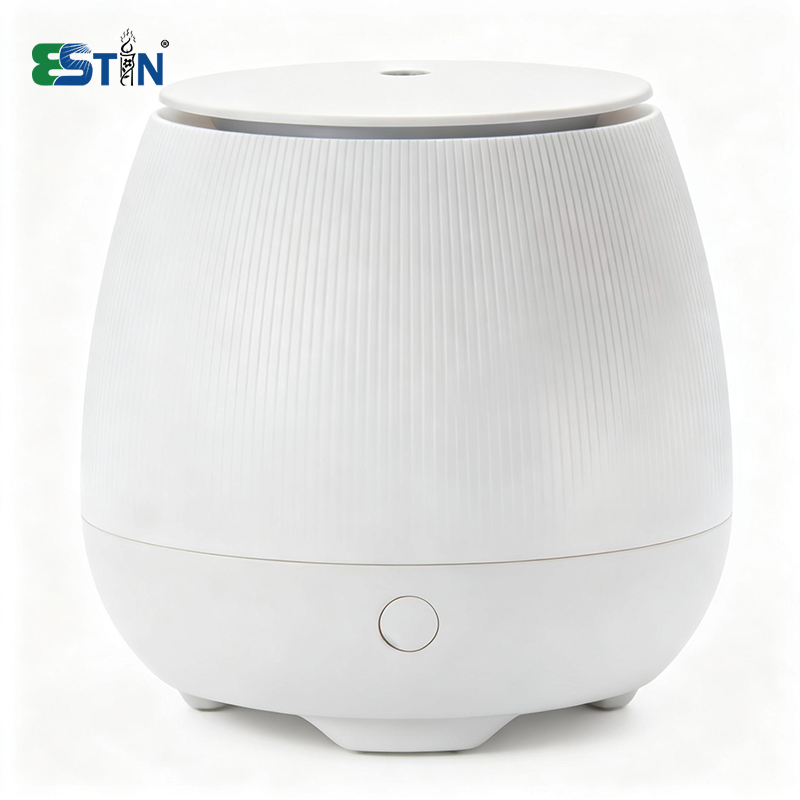
Let us break down exactly how these two contenders perform under specific household conditions. This will help you weigh your options objectively.
Feature | Nebulizing Diffuser | Ultrasonic Diffuser |
|---|---|---|
Atomization Method | Pressurized air pump and fluid dynamics | Piezoelectric ceramic disk vibration |
Scent Intensity | Extremely high, undiluted | Moderate, diluted with water |
Oil Consumption | High burn rate | Highly economical |
Acoustic Profile | Noticeable low-frequency hum | Practically silent, soft water sounds |
Added Humidity | Zero | Yes, acts as a mini-humidifier |
When raw power is the metric, the nebulizer easily takes the crown. Engineered for heavy-duty diffusion, it can saturate expansive spaces ranging from 400 to well over 1,000 square feet, maintaining a potent aroma even in drafty rooms. In contrast, the ultrasonic alternative offers a much softer, highly localized scent veil. It performs admirably in enclosed spaces like home offices, cozy bedrooms, or bathrooms measuring between 150 and 300 square feet.
Beyond mechanical specs, diffusers are prominent pieces of home decor. Nebulizers are routinely positioned as premium, artisanal products featuring heavy bases carved from solid bamboo or bespoke ceramics. Conversely, ultrasonic models lean heavily into modern, multifunctional design. Built primarily from durable, BPA-free resins, these housings allow engineers to seamlessly integrate ambient LED technology. This introduces the concept of chromotherapy right alongside your aromatherapy. A soft, pulsing blue light can lower heart rates, while a warm amber glow mimics a flickering candle. If you want to transform a sterile bedroom into a cozy sanctuary, investing in an Ultrasonic Aroma Diffuser with Seven Light Settings provides unmatched value.
Budgeting for a home fragrance setup requires looking past the initial price tag. The true financial commitment is largely dictated by your daily oil consumption.
Typically, ultrasonic devices are mass-produced and highly affordable upfront. You can easily secure a reliable model without breaking the bank. More importantly, their daily operational cost is remarkably low. Because the mist is predominantly water, a standard 15ml bottle of essential oil can last for several months, even with daily operation. For budget-conscious users who still want aesthetic perks, an Ultrasonic Aroma Diffuser with Seven Light Settings is an incredibly economical long-term investment.
On the flip side, a nebulizer demands a steeper initial investment due to its specialized medical-grade pump and artisanal glass. Yet, the real financial weight lies in the ongoing running costs. Because it atomizes pure oil continuously, a nebulizer can easily burn through several milliliters in a single hour. If your wellness routine relies on premium, rare oils like pure Sandalwood or Blue Tansy, this burn rate must be factored into your monthly budget.
The lifespan of any diffuser is directly tied to how well you maintain it. Neglect leads to clogs, weak mist output, and potentially harmful bacterial growth.
Processing undiluted oils makes nebulizers highly susceptible to sticky resin buildup. As essential oils oxidize, they leave behind a thick film. To prevent permanent clogs, you must routinely remove the delicate glass chamber and soak it in high-proof isopropyl alcohol. The alcohol acts as a solvent, melting away the hardened resin and clearing the microscopic pathways. Specifically, you should never attempt to run thick carrier oils, such as jojoba or sweet almond, through a nebulizer; they are not volatile and will instantly jam the system.
For ultrasonic units, the battle isn't against resin, but against water quality. Wiping down the plastic water tank completely dry with a soft microfiber cloth takes just seconds, but it is vital for preventing mold spores from colonizing the damp interior. If your home has hard tap water, calcium and magnesium will inevitably form a white, chalky crust over the vibrating disk. To dissolve this mineral scale, simply run a brief cleaning cycle using a mixture of pure water and white vinegar. The acetic acid gently breaks down the buildup, restoring the disk to optimal performance.
Declaring one technology universally superior is impossible. The right choice hinges entirely on your specific environment, budget constraints, and wellness objectives.
Choose a Nebulizing Oil Diffuser if:
You demand clinical-grade, unadulterated aromatherapy for targeted health protocols.
You need to quickly scent a massive living room, a high-ceiling loft, or a commercial space.
You live in a humid climate and absolutely refuse to add extra moisture to your indoor air.
You are comfortable with the higher ongoing cost of replenishing your essential oil collection frequently.
Choose an Ultrasonic Diffuser if:
You are a beginner seeking a budget-friendly, low-maintenance entry into aromatherapy.
You want to stretch a single bottle of expensive essential oil over several months.
You suffer from dry winter air and welcome the subtle boost of a cool-mist humidifier.
You appreciate multifunctional decor and desire an Ultrasonic Aroma Diffuser with Seven Light Settings to enhance your room's ambiance through customizable color therapy.
Ultimately, selecting the perfect aromatherapy device is a highly personal decision. A nebulizer champions raw power, delivering pure, heavy-hitting scents ideal for large spaces and strict wellness regimens. Conversely, an ultrasonic model champions versatility, offering gentle humidification, economical oil usage, and soothing ambient lighting. Take a moment to evaluate your room size, your tolerance for maintenance, and your budget. Once you align the technology with your daily habits, you can confidently transform your living space into the aromatic sanctuary you deserve. Ready to upgrade your home wellness setup? Explore the premium engineering and aesthetic designs available at Estin Home to find the perfect match for your lifestyle.
While many instruction manuals state tap water is acceptable, using distilled or highly filtered water is vastly superior. Tap water contains varying levels of hard minerals. Over time, these minerals calcify into a hard white scale on the ultrasonic vibrating disk, severely crippling the machine's ability to produce a thick mist. Sticking to distilled water drastically reduces how often you need to deep-clean the unit and extends its overall lifespan.
It unquestionably consumes oil at a much faster rate than an ultrasonic model, but there is a caveat. It is not designed to run constantly. Because the output is 100% concentrated, running a nebulizer for just 10 to 15 minutes is usually enough to deeply scent a large room. The aroma will then linger for hours. Many high-end units feature built-in interval timers to help manage this burn rate automatically.
Extreme caution is required. Because nebulizers pump highly concentrated, undiluted botanical compounds into the air, they can easily overwhelm the sensitive respiratory systems of cats and dogs. Cats, specifically, lack a liver enzyme needed to metabolize certain volatile compounds found in popular oils like eucalyptus, tea tree, and citrus. If you own pets, ensure the room is heavily ventilated, keep the device completely out of reach, use only vet-approved oils, and run the unit for very short intervals.
Absolutely. High-quality ultrasonic devices are engineered with sleep hygiene in mind. They typically feature entirely separate control buttons for the mist output and the LED array. This means you can easily cycle through the colors, lock it onto a single soothing hue, or shut the illumination off entirely while the mist continues to run. This functionality is perfect for those who require a pitch-black room to sleep soundly.
This is a common engineering reality when using tap water. The ultrasonic cavitation process shatters not just the water, but the minerals suspended within it. When the mist evaporates in the air, those microscopic minerals fall back down, creating a fine white dust on surrounding surfaces. To completely eliminate this issue, simply switch to using purified or distilled water in your reservoir.
More is not always better in aromatherapy. Olfactory fatigue occurs when your nose becomes accustomed to a scent, making you stop smelling it after 30 to 40 minutes. For an ultrasonic model, running it in 30-minute to 60-minute intervals is ideal. Many modern devices include built-in timers that cycle the mist on and off, ensuring you receive steady therapeutic benefits without wasting oil or overwhelming your senses.


