+86-18925518708 leah@myerhw.com
- Product Name
- Product Keyword
- Product Model
- Product Summary
- Product Description
- Multi Field Search
 EnglishEnglish


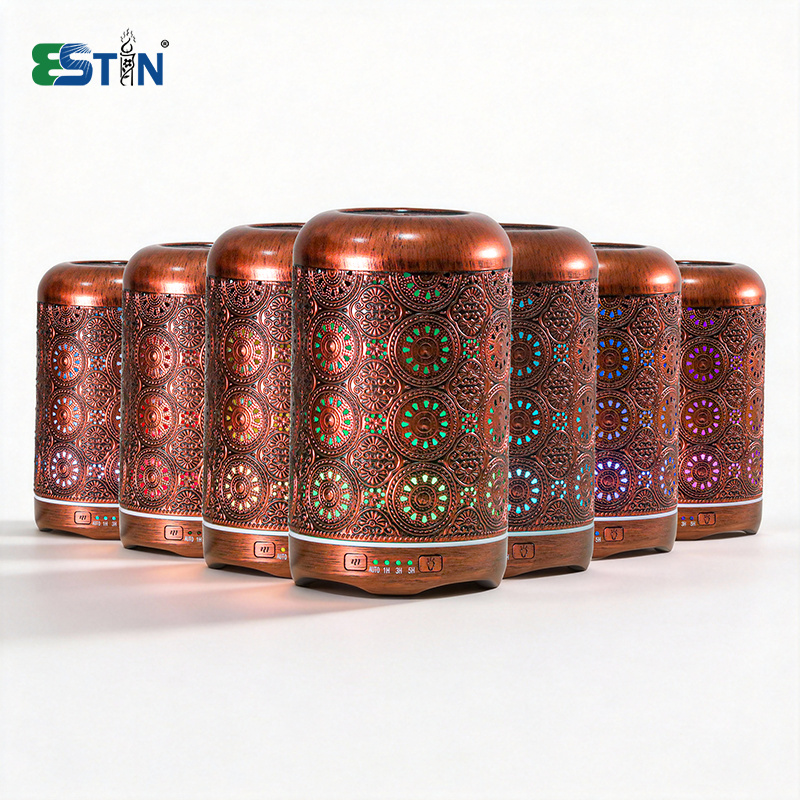
Home fragrance has evolved dramatically from hidden, purely functional plug-ins to prominent, design-forward architectural elements. Modern interiors now demand solutions that simultaneously promote holistic wellness while complementing sophisticated aesthetics. Consumers frequently struggle to find a scenting device that effectively fragrances a space and provides aromatherapeutic benefits without introducing harmful synthetic chemicals or requiring excessive daily maintenance.
The modern aroma diffuser sits at the optimal intersection of interior styling, atmospheric control, and personal wellness. It replaces outdated, visually unappealing air fresheners with sculptural pieces that actively enhance the environment. Selecting the right unit requires looking beyond the exterior casing. Understanding the technical mechanisms, material durability, and therapeutic criteria is mandatory for making an informed decision that elevates both your living space and your daily routine.
Aesthetic Meets Utility: A high-quality decorative aroma diffuser serves as a functional art piece, eliminating the need to hide home fragrance devices.
Holistic Wellness Integration: Beyond visual appeal, diffusers act as active wellness tools, supporting better sleep, stress reduction, and mental clarity through targeted aromatherapy.
Technology Dictates Performance: The choice between ultrasonic and nebulizing technologies directly impacts scent throw, therapeutic efficacy, maintenance requirements, and ambient noise levels.
Material Integrity Matters: Premium materials (ceramic, glass, natural wood) offer better longevity and visual appeal compared to standard plastics, though they require careful placement.
Safety and Maintenance are Non-Negotiable: Long-term satisfaction depends on understanding cleaning protocols, oil quality requirements, and spatial limitations before purchase.
Interior design has shifted toward a multi-sensory approach. Visual aesthetics alone no longer define a successful living space. Scent is now treated as a foundational element of a room's ambiance, acting as an invisible layer of decor that influences how a space feels the moment you walk through the door. Homeowners want environments that engage the senses, and achieving this requires tools that blend seamlessly into the background while performing a highly specific function. When staging a room, the olfactory experience carries just as much weight as the lighting or furniture arrangement.
Properly integrating scent requires understanding airflow dynamics within the home. Placing a unit directly under an HVAC return vent will pull the fragrance out of the room before it can be enjoyed. Conversely, placing it near a gentle supply vent or in the natural cross-breeze of a room ensures even distribution. The goal is to create a subtle, continuous background note rather than an overwhelming wall of fragrance that causes olfactory fatigue.
Modern decor integrates wellness directly into the home environment. Diffusers are actively utilized to manipulate the psychological atmosphere of different rooms. In a home office, dispersing peppermint or rosemary enhances mental clarity and sustains focus during long working hours. In the bedroom, switching to lavender or chamomile promotes deep relaxation and improves sleep quality. The device acts as an environmental trigger, signaling to the brain that it is time to work, relax, or sleep.
This psychological anchoring is highly effective for establishing daily routines. By pairing specific scents with specific activities, you train your nervous system to respond faster. A sharp citrus blend in the kitchen during the morning routine accelerates wakefulness, while a heavy, grounding scent like cedarwood or vetiver in the evening signals the body to begin winding down.
A successful deployment of home fragrance relies on strict criteria. Consistent scent dispersion is mandatory; the fragrance should fill the room evenly without overwhelming the immediate area around the device. Visual harmony with existing decor ensures the unit looks intentional rather than out of place. Minimal operational noise prevents the device from becoming a distraction, especially in quiet zones like bedrooms or reading nooks.
Reliable safety features, such as automatic shut-off when empty, provide peace of mind and prevent hardware damage. Effective aromatherapeutic delivery ensures the essential oils retain their natural properties. If a device uses excessive heat, it will alter the chemical composition of the oil, destroying the therapeutic benefits and leaving behind a flat, burnt odor.
Legacy plastic diffusers often disrupt carefully curated interiors. Their glossy, synthetic finishes, visible seams, and glowing neon lights clash with natural materials and sophisticated color palettes. To maintain design integrity, you must select a Decorative Aroma Diffuser that mimics high-end ceramics, matte stone, or sculptural art. The goal is to choose a device that visitors might mistake for a vase or a modern art piece when it is turned off.
Cable management also plays a significant role in avoiding a cluttered appearance. High-end models often feature recessed power ports underneath the base, allowing the cord to lay flat against the table surface. Routing these cords behind furniture legs or through cable management channels maintains the illusion of a standalone art piece.
Ultrasonic technology dominates the residential market due to its versatility and ease of use. These devices utilize a small piezoelectric ceramic disc located at the base of the water reservoir. When powered, this disc vibrates at high frequencies—often around 2.4 million times per second (2.4 MHz). These rapid ultrasonic vibrations create a cavitation effect, breaking down the mixture of water and essential oils into microscopic particles, releasing them into the air as a fine, cool mist.
The primary benefit of ultrasonic models is the gentle scenting profile combined with a slight humidifying effect. Adding ambient moisture is particularly beneficial in dry climates or during winter months when indoor heating depletes air moisture. Because the mist is cool, the chemical integrity of the essential oil remains completely intact, ensuring full therapeutic delivery.
However, this technology requires regular maintenance. Daily water refills are necessary, and the reservoir must be wiped down frequently to prevent mineral buildup. Using hard tap water accelerates calcification on the vibrating disc, which will eventually reduce the mist output to a weak trickle. Using distilled or filtered water mitigates this issue and extends the lifespan of the internal components.
Nebulizing diffusers operate on an entirely different principle, utilizing pressurized air and Bernoulli's principle to atomize pure essential oils. They do not require water or heat. A small internal air pump forces air through a narrow glass capillary tube, creating a vacuum that pulls the essential oil to the surface. The oil is then blown against the side of the glass reservoir, shattering it into a microscopic vapor that disperses directly into the room.
This method delivers superior scent throw and undiluted therapeutic purity. Because the oil is not diluted with water, the fragrance is much stronger, making it ideal for immunity support, deep relaxation, and neutralizing strong household odors. A nebulizer can scent a large room in a fraction of the time it takes an ultrasonic model.
The trade-offs include higher oil consumption, as you are diffusing pure concentrate. Additionally, the internal air pump generates a slight operational hum. While modern units are well-insulated, this low-frequency vibration may be noticeable in perfectly quiet rooms. Nebulizers also struggle with highly viscous oils like sandalwood or patchouli, which can clog the delicate glass tubes if not thinned out with lighter citrus oils.
Evaporative diffusers use a fan to blow air through a pad or filter soaked in essential oils, while heat diffusers use a gentle warming element to evaporate the oil. These represent passive diffusion methods that were popular before ultrasonic technology became widely accessible.
These older technologies are generally phased out of premium modern decor. Evaporative models suffer from inconsistent scent profiles; the lighter chemical components of the oil (top notes like lemon or bergamot) evaporate first, leaving the heavier base notes behind. This fractional evaporation alters the intended fragrance over time. Heat diffusers risk degrading the delicate chemical structure of the essential oils. Excessive heat destroys the aromatherapeutic benefits, rendering the oil useful only for basic scenting rather than holistic wellness.
Ceramic and stone finishes align perfectly with Minimalist, Japandi, and Wabi-Sabi interior styles. These design movements emphasize natural textures, muted color palettes, and organic imperfections. A matte ceramic exterior provides a tactile, grounded presence that synthetic materials cannot replicate. Unglazed ceramics offer a raw, earthy feel, while glazed options provide a subtle sheen that reflects ambient light beautifully.
From a functional standpoint, ceramic and stone offer excellent durability and weight. This added mass lowers the center of gravity, making the unit less likely to be accidentally tipped over by pets or children. Furthermore, high-quality glazed ceramics are highly resistant to essential oil corrosion. Certain essential oils, particularly citrus oils like lemon and sweet orange, contain terpenes that act as natural solvents and can eat away at inferior materials over time.
Glass and natural wood components fit beautifully into Mid-Century Modern and Organic Modern aesthetics. Hand-blown glass domes or solid walnut bases elevate the device into a premium category. The transparency of glass allows for subtle, elegant light diffusion, while wood brings warmth and organic grain patterns to the room.
These materials require careful handling and strategic placement. Glass is inherently fragile and must be placed away from high-traffic areas or edges. Natural wood, if not properly sealed with polyurethane or high-grade mineral oil, is susceptible to warping, swelling, or cracking when exposed to continuous moisture from the mist output. High-end manufacturers mitigate this by using treated wood or isolating the water reservoir entirely from the wooden base using a silicone gasket.
Not all plastics are detrimental to design. High-grade, BPA-free, medical-grade plastics like Polypropylene (PP) are frequently used in the internal reservoirs of even the most expensive models. Polypropylene is highly resistant to the corrosive nature of essential oils and ensures absolute water tightness. Some modern units use advanced resins for the exterior to mimic the look of stone or frosted glass while remaining lightweight and shatterproof.
The trade-off here is between extreme durability and the premium tactile feel. While a high-grade resin will survive a fall onto a hardwood floor without a scratch, it will not possess the cool, heavy touch of genuine stone or ceramic. For households with active toddlers or large pets, premium resin offers a practical compromise between aesthetics and survivability.
Material Type | Best Interior Style | Durability & Maintenance | Visual & Tactile Appeal |
|---|---|---|---|
Ceramic / Stone | Minimalist, Japandi, Wabi-Sabi | Heavy, stable, highly resistant to oil corrosion. Prone to chipping if dropped. | Matte, organic, premium weight. Blends seamlessly as sculptural art. |
Glass | Mid-Century Modern, Contemporary | Fragile. Easy to clean but requires careful placement away from edges. | Elegant, excellent for subtle light diffusion. High visual impact. |
Natural Wood | Organic Modern, Scandinavian | Requires sealed finishes to prevent moisture warping. Sturdy base material. | Warm, natural grain. Adds texture and earthiness to the room. |
Premium Resin (PP) | Transitional, Modern Family Homes | Shatterproof, lightweight, highly durable against drops. Resists citrus oils. | Mimics higher-end materials but lacks the authentic cold touch of stone. |
A common mistake is placing a low-output device in a massive room or a high-output nebulizer in a tiny space. You must match the diffuser's output, usually measured in milliliters per hour (ml/hr), to the room's square footage. If the output is too low, the scent will barely register. If it is too high, the concentration of essential oils can cause headaches or respiratory irritation.
Small Rooms (Up to 150 sq ft): Bathrooms, home offices, and small bedrooms require a standard 100ml ultrasonic unit outputting roughly 15-20 ml/hr.
Medium Rooms (150 to 300 sq ft): Primary bedrooms and standard living rooms benefit from a 300ml unit outputting 30-40 ml/hr.
Large Open Concepts (300+ sq ft): Vaulted ceilings and open floor plans demand a 500ml+ high-capacity ultrasonic unit or a dedicated nebulizing diffuser to ensure the fragrance reaches every corner.
The size of the water tank directly dictates the user experience and intervention frequency. A small 100ml to 150ml reservoir is ideal for targeted, short-term use. It will run for 3 to 4 hours, which is perfect for an evening wind-down routine or a focused study session. These smaller units are easy to empty and wipe dry daily, preventing stagnant water buildup.
Conversely, a 500ml reservoir is designed for all-day continuous operation. These larger units can run for 10 to 14 hours on a single fill. This is highly practical for main living spaces where you want a consistent background scent without the chore of refilling the tank multiple times a day. However, larger tanks require more essential oil per fill to maintain the correct dilution ratio—typically 15 to 20 drops compared to the 5 drops used in a smaller unit.
Modern units incorporate features that elevate them beyond simple misting devices. Auto-shutoff mechanisms are critical; they power down the ultrasonic plate the moment the water level drops too low, preventing motor burnout and ensuring safety. Intermittent timer settings (e.g., 30 seconds on, 30 seconds off) extend the runtime and prevent olfactory fatigue, a phenomenon where your nose becomes blind to a scent after continuous exposure.
Integrated LED lighting serves a dual purpose. While early models featured aggressive, fast-cycling RGB colors that looked cheap, premium models now prioritize subtle, warm-toned lights. A soft amber glow (around 2700K color temperature) mimics candlelight, supporting a calming atmosphere and allowing the device to double as an elegant nightlight without disrupting circadian rhythms.
Ignoring maintenance is the fastest way to ruin a high-quality device. Tap water contains minerals that create hard water buildup on the ultrasonic disc, while essential oils leave behind a sticky, resinous residue. If left unchecked, this combination reduces mist output, alters the smell of fresh oils, and can eventually lead to mold growth or motor failure.
Unplug the unit and empty any remaining water from the rear of the device to avoid spilling into the air intake vent.
Wipe the inside of the reservoir with a soft, damp microfiber cloth to remove loose oil residue.
Fill the tank halfway with clean water and add one tablespoon of pure white vinegar.
Run the device for five minutes in a well-ventilated area to allow the vinegar to break down mineral scaling.
Empty the vinegar solution and gently clean the delicate ultrasonic disc at the bottom with a cotton swab.
Rinse the reservoir with fresh water and leave the cover off until it is completely air-dried.
The hardware is only as good as the liquid you put inside it. Using cheap, synthetic fragrance oils is a critical error. Synthetic oils often contain artificial binders and carrier oils that clog the microscopic pores of the ceramic disc. Furthermore, synthetic fragrances offer zero therapeutic benefits; they merely mask odors and can trigger headaches or respiratory irritation.
Always use 100% pure essential oils to ensure actual therapeutic outcomes like stress relief or enhanced focus. Look for oils that have been GC/MS tested for purity. However, natural does not automatically mean safe for everyone in the house. Exercise strict caution regarding household pets. Dogs and cats process compounds differently than humans. Oils like eucalyptus, tea tree, peppermint, and citrus can be highly toxic to pets if inhaled or ingested. Always consult with a veterinarian and verify pet-safe oil options before diffusing in shared spaces.
Where you place the unit dictates both its effectiveness and the safety of your furniture. Ultrasonic mist carries microscopic water droplets that eventually settle. If placed directly on unsealed wood, antique furniture, or near sensitive electronics, this continuous moisture can cause water rings, warping, or electrical shorts.
Always place the unit on a water-resistant tray or a sealed surface. Keep it at least two feet above the floor to allow the mist to disperse into the air before settling. Ensure the mist nozzle is pointed away from walls, curtains, and books to prevent dampness and potential mildew growth over time.
The decorative aroma diffuser has successfully replaced traditional soot-producing candles and synthetic plug-ins as the preferred choice for modern home decoration. It provides a sophisticated, health-conscious method for scenting a space while actively supporting mental and physical well-being through targeted aromatherapy. By merging architectural design with functional wellness, these devices elevate the standard of everyday living without compromising on visual aesthetics.
When shortlisting options, apply a simple decision matrix based on your primary needs. For bedrooms and quiet spaces where visual aesthetics, gentle sleep support, and added moisture are priorities, choose an ultrasonic model with a ceramic or glass finish. For large, open-concept living spaces that require strong scent throw and maximum therapeutic benefit without added humidity, opt for a high-capacity nebulizing unit.
To ensure successful integration into your home, take the following next steps:
Measure the square footage of your target room to determine the necessary output capacity in milliliters per hour.
Identify your dominant interior design style to select a material finish that blends seamlessly with your existing decor.
Determine your primary wellness goals, such as deep relaxation or sustained focus, to guide your essential oil purchases.
Cross-reference your chosen essential oils with veterinary safety guidelines if you have pets in the home.
Commit to a monthly vinegar cleaning routine to protect the internal components and maintain pure scent dispersion.
A: Aromatherapy provides evidence-based psychological and physiological benefits. Diffusing specific pure essential oils can significantly reduce stress, lower anxiety levels, and elevate mood. Lavender and chamomile improve sleep quality by promoting relaxation, while peppermint and rosemary enhance cognitive focus and mental clarity during work or study sessions.
A: Diffusers do not mechanically filter particulate matter like a HEPA air purifier. However, certain essential oils, such as tea tree, eucalyptus, and lemongrass, possess mild antimicrobial and antibacterial properties. Diffusing these oils helps neutralize airborne odors and creates a fresher, cleaner-smelling environment.
A: If placed incorrectly, ultrasonic models can leave a fine moisture dust or oil residue. To prevent this, place the unit on a water-resistant surface, at least two feet above the floor, and away from unsealed wood, electronics, or direct walls. Nebulizers do not use water but can still disperse heavy oil particles if run continuously.
A: With proper care, a high-quality unit can last between three to five years. Lifespan depends heavily on the motor quality and maintenance frequency. Using distilled water, cleaning the ultrasonic disc monthly, and avoiding synthetic fragrance oils will prevent motor burnout and significantly extend the device's operational life.
A: Standard 100ml ultrasonic diffusers are ineffective in large, open spaces as the scent dissipates too quickly. For open-concept living rooms, you must use a high-capacity ultrasonic unit designed for high output, or switch to a nebulizing diffuser, which projects pure, undiluted oil much further across large square footages.
A: While both add moisture to the air, they serve different primary functions. Humidifiers are designed to output large volumes of water to raise a room's humidity levels significantly. Ultrasonic diffusers output a much smaller volume of water, specifically calibrated to carry essential oils into the air for scenting and aromatherapy.


