+86-18925518708 leah@myerhw.com
- Product Name
- Product Keyword
- Product Model
- Product Summary
- Product Description
- Multi Field Search
 EnglishEnglish


Views: 0 Author: Site Editor Publish Time: 2026-07-26 Origin: Site


Aromatherapy has seen widespread adoption as a wellness practice, offering stress relief and improved focus. However, the underreported risks of introducing volatile organic compounds (VOCs) and aerosolized particles into enclosed indoor environments cannot be ignored. Unregulated usage, improper device selection, and a lack of maintenance transform a calming ritual into a health hazard. These risks range from respiratory irritation and severe pet toxicity to mold proliferation and device malfunction.
Safe aromatherapy requires a strategic approach to purchasing and operating your equipment. Evaluating devices based on hardware safety features, household constraints, and strict operational protocols is essential. By understanding the mechanical operations and limitations of different diffusers, you can mitigate risks and ensure a safe environment for everyone in your home. Selecting the right Essential Oil Diffusers requires looking past aesthetics and focusing on mechanical reliability and material safety.
Hardware dictates safety: Selecting devices with intermittent timers, auto-shutoff capabilities, and non-reactive materials (glass, ceramic, or medical-grade polypropylene) is non-negotiable for safe operation.
Technology impacts risk profiles: Ultrasonic (water-based) devices carry mold and humidity risks, while nebulizing (waterless) devices risk rapid VOC overexposure if not strictly regulated.
Household constraints supersede preference: The presence of pets (especially cats and birds), infants, or individuals with reactive airway diseases requires specific diffuser types, strict placement rules, or total avoidance of certain oils.
Water purity matters: Using tap water in ultrasonic diffusers aerosolizes hard minerals and creates "white dust," aggravating respiratory systems and degrading ultrasonic plates.
The 30-minute rule: Continuous diffusion causes olfactory fatigue and increases toxicity risks; safe implementation relies on short, controlled intervals in well-ventilated spaces.
Understanding the four primary diffuser categories helps frame their mechanical operations against specific safety risks. This knowledge guides purchasing decisions and ensures you select the right device for your specific needs. Field experience shows that matching the technology to the room's HVAC capacity and the occupants' health profiles prevents most adverse reactions.
Ultrasonic devices use high-frequency vibrations to create a fine mist of water and oil. While popular, they increase ambient humidity, raising the risk of dampness and dust mites in poorly ventilated spaces. They are highly susceptible to bacterial and mold growth, such as Serratia marcescens, if water is left stagnant. Furthermore, running these devices with hard tap water aerosolizes waterborne minerals, creating a fine white dust that can irritate the lungs and settle on electronics.
To mitigate these risks, require daily emptying and wiping of the reservoir. Buyers must look for models with easily accessible water reservoirs that lack complex, hard-to-clean crevices. Prioritize using distilled or demineralized water to prevent mineral buildup and respiratory irritation. When inspecting a unit, check the ultrasonic plate at the bottom; it should be easy to reach with a cotton swab.
Nebulizing devices use pressurized air to atomize pure oil into micro-particles without heat or water. This mechanism delivers a highly concentrated dose of VOCs rapidly. Consequently, there is a high risk of respiratory irritation and rapid accumulation of toxic thresholds, especially for pets and small children.
These devices are only suitable for large, well-ventilated areas with active air circulation. Buyers must ensure the unit features robust, customizable output dials and strict intermittent timing cycles to control the concentration of VOCs in the air. A nebulizer running continuously in a closed bedroom will quickly exceed safe VOC limits.
Evaporative diffusers use a fan to blow air through a filter or pad soaked in oils. This method often results in uneven dispersion, as lighter chemical components evaporate first, leaving heavier ones behind. There is also a potential for synthetic filter degradation over time, which can release unwanted particles into the air.
While they present a lower risk of overexposure compared to nebulizers, buyers must verify the availability and safety of replacement filters or pads to maintain optimal performance and safety. Inspect the fan housing to ensure it can be easily dusted, as accumulated dust will be blown directly into the room.
Heat diffusers use a heat source to evaporate oils. Open flames present obvious fire hazards, while unregulated electric heat can alter the chemical composition of the oil, potentially degrading it into toxic byproducts. Heating essential oils changes their molecular structure, often destroying the therapeutic properties and creating respiratory irritants.
These devices are generally not recommended for therapeutic use due to chemical alteration. If selected, electric models with strict temperature caps are required over open-flame models to minimize risks. Never leave a heat-based unit unattended.
Diffuser Type | Mechanism | Primary Risk | Required Mitigation |
|---|---|---|---|
Ultrasonic | Water & Vibration | Mold, Mineral Dust | Distilled water, daily cleaning |
Nebulizing | Pressurized Air | VOC Overexposure | Strict timers, large rooms only |
Evaporative | Fan & Filter | Uneven Dispersion | Regular filter replacement |
Heat | Thermal Evaporation | Chemical Alteration, Fire | Temperature caps, avoid open flames |
A technical checklist of hardware features separates high-quality, safe devices from cheap, hazardous alternatives. Prioritizing these features ensures long-term safety and reliability. Do not compromise on these mechanical safeguards.
Continuous operation is a primary cause of adverse reactions. Intermittent timers, such as 10 minutes on and 20 minutes off, automate safe exposure limits. Do not purchase a unit lacking a low-water auto-shutoff sensor. This feature prevents the motor from burning out and causing a fire hazard when the reservoir runs dry. Test the auto-shutoff feature immediately upon purchase by running the unit with a minimal amount of water.
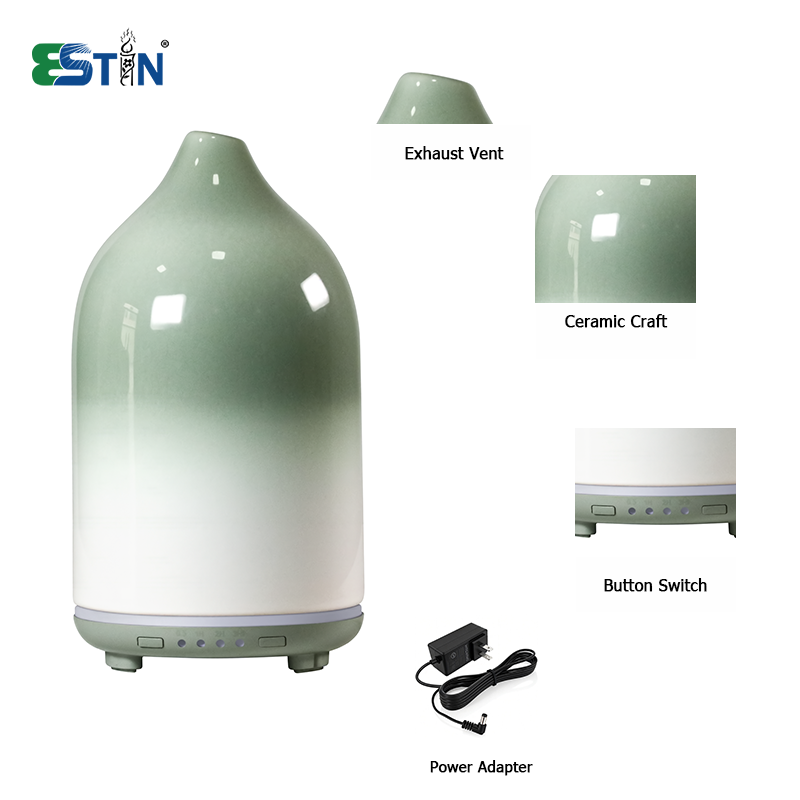
Oils are highly concentrated solvents that can degrade cheap plastics, aerosolizing microplastics and chemical plasticizers into the air. If buying plastic, verify it is BPA-free, high-density Polypropylene (PP - Resin ID Code 5). Alternatively, prioritize inert materials like medical-grade glass, ceramic, or surgical steel reservoirs for maximum safety. Inspect the internal reservoir; if it feels flimsy or smells strongly of chemicals out of the box, return it.
A diffuser that is difficult to clean will not be cleaned, leading to the aerosolization of mold spores and bacteria, often referred to as "humidifier fever." Evaluate the design for wide-mouth reservoirs, removable ultrasonic plates, and the absence of narrow, inaccessible tubes. Easy maintenance is crucial for safe operation.
Check the reservoir opening: Can you fit your entire hand inside to wipe it down?
Inspect the mist tube: Is it wide enough to clean with a standard brush?
Locate the ultrasonic plate: Is it exposed and easy to swab?
Lower-quality imports may lack adequate wiring safety, posing shock and electrical fire risks near water-based reservoirs. Ensure the device is certified by recognized testing labs such as Underwriters Laboratories (UL), Intertek (ETL), or CE. Look for double-insulated cords and polarized plugs to guarantee electrical safety. Keep the power adapter away from areas where water might spill during refilling.
Environmental and biological factors dictate whether a diffuser can be safely used in a specific home. Understanding these constraints is vital for protecting vulnerable household members. You must assess the occupants before introducing aerosolized compounds into the environment.
Cats lack a liver enzyme required to metabolize many oils, such as eucalyptus, tea tree, and citrus. Birds have highly sensitive respiratory tracts susceptible to immediate failure from airborne toxins. Dogs are sensitive to phenol-heavy oils. Active diffusion should be avoided in rooms where pets are confined. Devices must be placed out of reach to prevent accidental ingestion of spills. If you notice your pet squinting, drooling, or acting lethargic, turn off the unit immediately and ventilate the room.
Infants and toddlers have developing respiratory and neurological systems. Certain oils, like peppermint and eucalyptus, contain high levels of menthol and 1,8-cineole, which can cause laryngeal spasms and slowed breathing in young children. Medical consensus recommends avoiding active diffusion around infants under 6 months. For older children, use highly diluted, child-safe oils in passive diffusers. Pregnant women should avoid certain oils entirely, such as clary sage or rosemary, due to the risk of uterine contractions.
Oils release terpenes, which can react with ambient ozone to create secondary pollutants like formaldehyde and ultrafine particles. Individuals with asthma, COPD, or reactive airway disease should avoid active diffusers. Passive diffusion, such as reed diffusers, or personal inhalers are safer alternatives for these individuals. Always monitor indoor air quality monitors if you run a nebulizer frequently.
Strict operational protocols are required to maintain safety after purchasing your equipment. Following these guidelines ensures a safe and effective aromatherapy experience without compromising indoor air quality.
Limit active diffusion to 30–60 minutes maximum, followed by a 60-minute break. For water-based ultrasonic models, use a maximum of 3 to 5 drops of oil per 100ml of water. This prevents oversaturation of volatile organic compounds in the air and avoids olfactory fatigue, which often leads users to dangerously increase oil drops. More is not better; stick to the recommended dilution ratios.
Place devices on stable, elevated surfaces approximately 3-4 feet off the ground to facilitate optimal mist dispersion. Keep devices away from electrical outlets, finished wooden furniture, and HVAC return vents. This prevents direct contact with mist, avoids tripping hazards, and stops localized indoor air circulation loops that can concentrate VOCs in specific zones. Never place a unit directly under a smoke detector.
Match the output capacity to the square footage of the room. Never use a high-output nebulizer in a small, closed space like a bathroom. Proper HVAC circulation or a cracked window is required to ensure VOCs disperse safely rather than accumulating on surfaces and in the lungs. If condensation forms on the windows, the room is oversaturated, and you need to increase ventilation.
Perform a daily rinse and wipe down after use, and a deep clean once a week. Never use harsh chemicals like bleach or synthetic dish soap to clean the inside, as residual chemical compounds can be aerosolized during subsequent uses.
Unplug the unit and empty any remaining water.
Wipe the inside of the reservoir with a damp microfiber cloth.
Dip a cotton swab in isopropyl alcohol and gently clean the ultrasonic sensor plate.
Rinse with distilled water and let it air dry completely before reassembly.
The safety of the hardware is moot if the consumable is toxic. Avoid "fragrance oils" which contain synthetic chemical carrier solvents and phthalates. Look for GC/MS (Gas Chromatography/Mass Spectrometry) batch testing to ensure purity and safety. Store oils in dark glass bottles away from direct sunlight and heat to prevent oxidation.
Audit your household for vulnerable occupants, including pets, infants, and individuals with respiratory conditions, before operating any device.
Verify that your current equipment features an auto-shutoff mechanism and is made from non-reactive materials like glass or high-density polypropylene.
Implement the 30-minute rule immediately to prevent VOC oversaturation and olfactory fatigue.
Establish a weekly decontamination schedule using only distilled white vinegar and isopropyl alcohol.
A: Perform a daily rinse and wipe down after each use. Conduct a deep clean once a week using distilled white vinegar and isopropyl alcohol to prevent mold and bacterial growth.
A: It is not recommended. Tap water contains hard minerals that can aerosolize into "white dust," irritating the respiratory system and degrading the ultrasonic plate. Always use distilled or demineralized water.
A: Many are highly toxic to cats because they lack the liver enzyme necessary to metabolize them. Avoid active diffusion in rooms where cats are present and ensure devices are out of reach.
A: The 30-minute rule recommends limiting active diffusion to 30 to 60 minutes, followed by a 60-minute break. This prevents olfactory fatigue and VOC saturation in the room.
A: Medical consensus advises against active diffusion around infants under 6 months. For older children, use highly diluted, child-safe oils in passive diffusers to avoid respiratory irritation.
A: Medical-grade glass, ceramic, and surgical steel are the safest inert materials. If using plastic, ensure it is BPA-free, high-density Polypropylene (Resin ID Code 5) to prevent chemical degradation.


